
In the world of sports, injuries are an unfortunate reality that athletes must confront. The physical toll is often discussed, but the emotional impact is equally significant. Our understanding of sport psychology and psychological factors surrounding injury prevention and rehabilitation has grown, shedding light on the mental resilience required to navigate the recovery process. In this article, we delve into the psychological aspects of sport injuries, offering coping strategies and insights for athletes grappling with the mental challenges of injury.
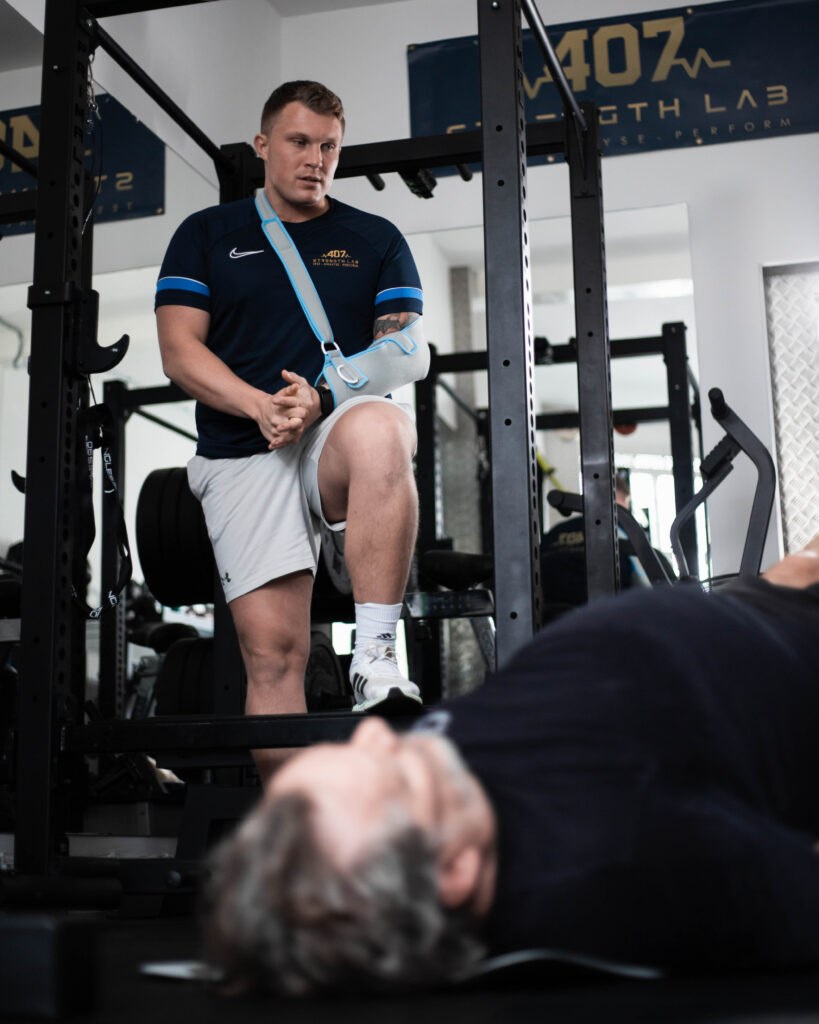
Understanding Sport Injuries
What is the Emotional Toll of Sport Injuries?
Sport injuries not only affect the body but also take a considerable toll on an athlete’s mental state. The psychological response to sport injury encompasses a range of emotions, including frustration, anger, sadness, and anxiety. These emotional reactions can vary depending on factors such as the type of injury, its severity, and the athlete’s perception of the injury’s impact on their career.
How Do Psychological Factors Influence Recovery?
Psychological factors play a crucial role in the rehabilitation process following injury. The emotional response to injury can impact an athlete’s motivation, adherence to rehabilitation protocols, and overall recovery trajectory. Moreover, feelings of isolation and fear of re-injury can hinder progress and prolong the rehabilitation timeline.
Coping Strategies for Injured Athletes
Building Resilience Through Psychological Skills
Developing mental resilience is paramount for athletes facing the challenges of sport injuries. It involves honing psychological skills that empower individuals to overcome adversity and thrive in the face of setbacks. Cognitive reframing, for instance, enables athletes to reframe negative thoughts about their injury into more positive and constructive perspectives. By shifting their mindset, athletes can perceive challenges as opportunities for growth rather than insurmountable obstacles.
Goal setting is another powerful tool in building resilience. By setting specific, measurable, achievable, relevant, and time-bound (SMART) goals, athletes can maintain focus and motivation throughout their recovery journey. Whether it’s aiming to regain full mobility or returning to competition within a specified timeframe, having clear objectives provides athletes with a sense of direction and purpose.
Visualization techniques also play a pivotal role in enhancing resilience. Athletes can mentally rehearse successful outcomes, envisioning themselves overcoming obstacles and achieving their desired goals. Visualization not only primes the mind for success but also instills confidence and belief in one’s ability to overcome challenges.
Furthermore, effective stress management techniques are essential for maintaining psychological well-being during the recovery process. Athletes can employ relaxation techniques such as deep breathing, progressive muscle relaxation, and mindfulness meditation to alleviate tension and anxiety. By cultivating a sense of calmness and inner peace, athletes can better cope with the stressors associated with injury and focus on their rehabilitation efforts.
Seeking Psychological Support
While personal coping mechanisms are valuable, professional psychological support can provide additional guidance and resources for athletes dealing with injury-related challenges. Sports psychologists and counselors specialize in addressing the unique emotional and psychological needs of athletes, offering tailored interventions to facilitate healing and recovery.
Individual therapy sessions offer athletes a safe and confidential space to explore their feelings, fears, and concerns surrounding their injury. Through psychotherapy techniques such as cognitive-behavioral therapy (CBT) and acceptance and commitment therapy (ACT), athletes can develop coping strategies, challenge unhelpful beliefs, and cultivate resilience in the face of adversity.
Group support programs also offer a sense of camaraderie and solidarity among injured athletes. By connecting with peers who are going through similar experiences, athletes can share insights, offer encouragement, and provide emotional support to one another. Group settings foster a sense of belonging and community, reducing feelings of isolation and loneliness often experienced during injury rehabilitation.
Leveraging Social Support Networks
Social support from teammates, coaches, friends, and family members is invaluable in helping athletes navigate the emotional ups and downs of injury recovery. Teammates can offer empathy, encouragement, and practical assistance, drawing on their own experiences with injury to provide insights and perspective. Coaches play a crucial role in providing guidance, reassurance, and motivation, ensuring that athletes feel supported and valued throughout their rehabilitation journey.
Friends and family members provide a source of unconditional love and support, offering a listening ear, a shoulder to lean on, and practical help with daily tasks. Their presence and encouragement bolster athletes’ spirits and reaffirm their sense of identity beyond their athletic pursuits. By nurturing these social support networks, athletes can draw strength from their relationships and cultivate resilience in the face of adversity.
In summary, coping with sport injuries requires a multifaceted approach that addresses both the psychological and social dimensions of recovery. By building resilience through psychological skills, seeking professional support, and leveraging social networks, injured athletes can navigate the challenges of injury rehabilitation with greater confidence, determination, and resilience.
Managing the Recovery Journey
Integrating Psychological and Physical Rehabilitation
Effective injury management involves integrating psychological support into the rehabilitation process. Sports physiotherapists and medical professionals should consider the psychological aspects of injury recovery when designing treatment plans. By addressing both the physical and emotional dimensions of injury, athletes can experience holistic healing and a smoother return to sport.
Fostering Positive Mindset and Coping Mechanisms
Encouraging athletes to adopt a positive mindset and healthy coping mechanisms is essential for long-term well-being. Emotion-focused coping strategies, such as mindfulness, self-compassion, and acceptance, can help athletes navigate setbacks and maintain mental strength throughout their recovery journey.
Setting Realistic Expectations and Goals
Managing expectations is crucial for preventing psychological distress and promoting realistic recovery outcomes. Athletes should work with their healthcare providers to set achievable goals and milestones, taking into account individual circumstances and the nature of their injury. By focusing on progress rather than perfection, athletes can maintain motivation and perspective.
When to Seek Professional Help
Athletes should not hesitate to seek professional help if they experience persistent psychological distress or difficulty coping with their injury. Early intervention can prevent maladaptive coping patterns and facilitate timely recovery. If feelings of depression, anxiety, or hopelessness persist, consulting a sports psychologist or mental health professional is recommended.
Frequently Asked Questions
Here are answers to some of the most frequently asked questions on sports injuries.
I noticed (mention one of the common symptoms). Should I get it checked up?
Yes, it’s essential to consult a healthcare professional for proper diagnosis and treatment, especially if you’re experiencing persistent symptoms or discomfort.
What exercises help with my sport injury?
Your physiotherapist can prescribe specific rehabilitation exercises tailored to your injury and recovery stage. It’s crucial to follow their guidance to avoid exacerbating the injury.
How often do I need to do exercises?
The frequency and intensity of exercises will vary depending on your injury and rehabilitation plan. Your physiotherapist will provide personalized recommendations based on your needs.
How did I get injured?
Injuries can occur due to various factors, including overuse, improper technique, sudden impacts, or accidents during sports activities. Understanding the cause can help prevent future injuries.
Is it OK to walk/run with my injury?
It’s essential to consult your healthcare provider before engaging in any physical activity with an injury. They can advise you on safe exercise options based on your condition.
How long will my injury last?
The duration of recovery depends on factors such as the type and severity of the injury, adherence to rehabilitation protocols, and individual healing rates. Patience and consistency are key to a successful recovery journey.
In conclusion, managing the emotional effects of sports injuries requires a multifaceted approach that addresses both the physical and psychological aspects of recovery. By incorporating coping strategies, seeking social support, and prioritizing mental resilience, injured athletes can navigate the challenges of injury rehabilitation with greater resilience and positivity.