
Welcome to our comprehensive guide on rehabilitating anterior cruciate ligament (ACL) injuries. As experts in the field of sports medicine and rehabilitation, we understand the challenges individuals face when dealing with ACL injuries and the importance of a structured rehabilitation plan. In this article, we’ll delve into the various aspects of ACL rehabilitation, from understanding the injury to managing it effectively and returning to normal activity levels.
What is the Anterior Cruciate Ligament (ACL)?
The ACL is a crucial ligament located in the knee joint, responsible for providing stability and preventing excessive forward movement of the tibia (shin bone) in relation to the femur (thigh bone). An ACL injury typically occurs due to sudden stops, changes in direction, or direct impact to the knee, leading to a partial or complete tear of the ligament.
Anatomy of the Knee Joint
The knee joint comprises several structures, including bones, ligaments, tendons, and cartilage. The ACL, along with other ligaments such as the posterior cruciate ligament (PCL), medial collateral ligament (MCL), and lateral collateral ligament (LCL), plays a vital role in maintaining joint stability and facilitating smooth movement.
Causes of ACL Injuries
ACL injuries can be caused by a variety of factors, primarily associated with athletic activities. Here’s an expanded explanation of the common causes:
- Sudden Stops or Changes in Direction during Sports: Activities that involve sudden stops or changes in direction, such as soccer, basketball, tennis, and volleyball, put significant stress on the ACL. When an individual abruptly changes direction or stops, the force exerted on the knee joint can exceed the ligament’s capacity, leading to injury. This often occurs when an athlete pivots quickly while running or makes a sharp turn to avoid an opponent.
- Landing from a Jump with Poor Technique: Athletes who engage in jumping sports, such as basketball, gymnastics, or skiing, are particularly susceptible to ACL injuries, especially when landing improperly. Landing with the knee in a straightened or hyperextended position, instead of flexing the knee to absorb the impact, increases the risk of ACL tears. Poor landing technique places excessive stress on the ligament, making it vulnerable to injury.
- Twisting or Hyperextending the Knee Beyond its Normal Range of Motion: Any activity that involves twisting or hyperextending the knee joint beyond its normal range of motion can lead to ACL injury. This can occur during a sudden change in direction, a misstep, or an awkward landing. Twisting movements, such as planting the foot and twisting the body simultaneously, can strain the ACL and result in partial or complete tears.
In addition to these primary causes, direct trauma to the knee, such as a blow to the side of the knee or a collision with another player, can also cause ACL tears. While non-contact mechanisms account for a significant portion of ACL injuries, contact injuries are not uncommon, particularly in sports with high levels of physical contact, such as football, rugby, and martial arts.
Understanding the specific movements and activities that place stress on the ACL is essential for injury prevention strategies and designing effective rehabilitation programs. By addressing biomechanical factors, improving neuromuscular control, and implementing proper training techniques, individuals can reduce the risk of ACL injuries and optimize their athletic performance while minimizing the likelihood of reinjury.
Risk Factors for ACL Injuries
While ACL injuries can occur in anyone, certain factors may increase the risk, including:
- Participation in high-impact sports that involve cutting and jumping movements
- Previous history of ACL injury or other knee-related issues
- Gender (females are more prone to ACL tears than males)
- Poor neuromuscular control and proprioception
Symptoms of ACL Injuries
Common symptoms of an ACL injury include:
- Sudden onset of severe pain in the knee
- Swelling and stiffness
- Instability or a feeling of giving way in the knee
- Audible “pop” or tearing sensation at the time of injury
Rare symptoms may include numbness or tingling in the affected leg, indicating potential nerve involvement.
Diagnosing ACL Injuries
Upon suspicion of an ACL injury, a physician will conduct a thorough clinical examination, assessing for signs of instability, range of motion deficits, and specific tests such as the Lachman test and the anterior drawer test. Imaging studies such as MRI scans may be ordered to confirm the diagnosis and assess the extent of ligament damage.
Treatment of ACL Injuries
Common Treatment
In cases where the ACL tear is partial or the individual’s activity level is low, conservative management may be a suitable approach. This typically involves a combination of physical therapy, activity modification, and possibly bracing to support the knee joint.
Physical Therapy
Physical therapy plays a crucial role in conservative management by focusing on strengthening the muscles surrounding the knee joint, improving range of motion, and enhancing proprioception. Exercises may include:
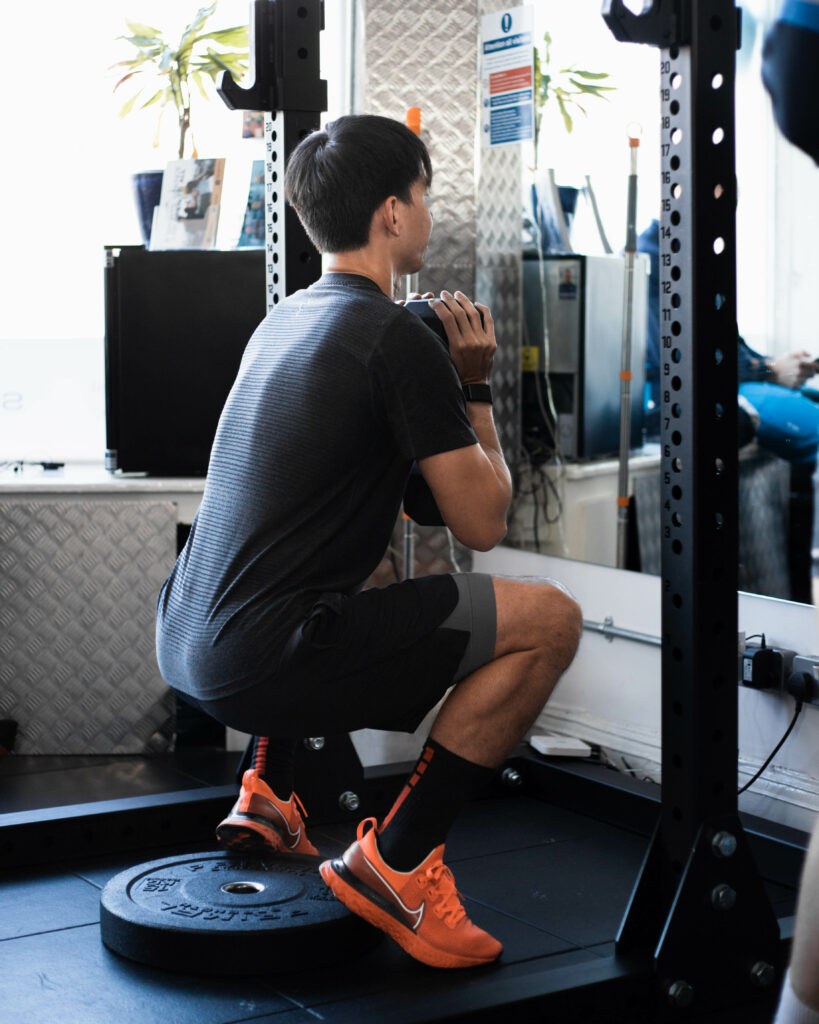
- Quadriceps Strength exercises: Strengthening the quadriceps muscles helps stabilize the knee joint and reduce strain on the ACL. Exercises such as leg extensions, squats, and lunges may be prescribed.
- Hamstring Strengthening: Strengthening the hamstring muscles helps balance the strength of the muscles around the knee joint and provides additional stability. Exercises such as hamstring curls and deadlifts may be incorporated.
- Balance and Proprioception Training: Balance and proprioception exercises help improve joint stability and reduce the risk of recurrent injury. Activities such as single-leg stance, balance board exercises, and proprioceptive drills may be included.
Activity Modification
During the rehabilitation process, individuals may need to modify their activities to avoid movements that exacerbate symptoms or place excessive stress on the knee joint. This may involve temporarily reducing or avoiding high-impact activities, such as running, jumping, or pivoting, until the knee has healed sufficiently.
Bracing
In some cases, wearing a knee brace may provide additional support and stability to the injured knee joint, particularly during physical activity or sports participation. Knee braces can help reduce the risk of further injury and provide a sense of security for individuals with ACL tears.
ACL Surgery
For individuals with complete ACL tears or those who wish to return to high-level sports or activities that require a stable knee joint, anterior cruciate ligament reconstruction may be recommended. ACL reconstruction surgery aims to restore stability to the knee joint by replacing the torn ACL with a graft, typically sourced from the patient’s own tissue (autograft) or a donor (allograft).
- Surgical Procedure: During ACL reconstruction surgery, the surgeon will make small incisions around the knee joint and use arthroscopic techniques to access the damaged ACL. The torn ligament is removed, and a graft (often taken from the patellar tendon, hamstring tendon, or quadriceps tendon) is inserted in its place. The graft is secured in position using screws or other fixation devices.
- Postoperative Rehabilitation: Following ACL reconstruction surgery, anterior cruciate ligament rehabilitation exercises are crucial to ensure optimal outcomes and reduce the risk of complications. Physical therapy typically begins soon after surgery and focuses on restoring range of motion, strengthening the muscles around the knee joint, and gradually reintroducing weight-bearing activities. The rehabilitation process may span several months and is tailored to the individual’s specific needs and goals.
Rare Treatment Options
While conservative management and surgical reconstruction are the standard approaches for treating ACL injuries, some alternative or less common treatments may be considered in specific cases. These rare treatment options include:
Biological Augmentation
Biological augmentation involves the use of biological materials, such as platelet-rich plasma (PRP) or stem cells, to enhance the healing process and potentially promote tissue regeneration in the injured ACL. PRP is derived from the patient’s own blood and contains a concentrated amount of growth factors that may accelerate tissue repair. Similarly, stem cell therapy involves injecting stem cells into the injured area to stimulate tissue regeneration and repair damaged ligaments. While research on biological augmentation for ACL injuries is ongoing, its efficacy and long-term outcomes are still being evaluated, and it remains a relatively experimental treatment option.
Ligament Repair
In contrast to traditional ACL reconstruction surgery, which involves replacing the torn ligament with a graft, ligament repair techniques aim to preserve and repair the native ACL tissue. This approach involves suturing the torn ends of the ACL back together using specialized techniques and surgical instruments. Ligament repair may be considered in select cases, particularly for proximal tears or partial tears where the ACL tissue is still viable. While ligament repair offers the potential advantage of preserving the patient’s native tissue and biomechanics, it requires meticulous surgical skill and may not be suitable for all ACL injuries.
Regenerative Medicine
Regenerative medicine approaches, such as tissue engineering and scaffold-based therapies, hold promise for ACL reconstruction and repair. These techniques involve the use of bioengineered scaffolds or matrices, combined with growth factors or cells, to create a supportive environment for tissue regeneration and repair. Tissue-engineered grafts may offer advantages such as improved integration with surrounding tissues, enhanced biomechanical properties, and reduced risk of immune rejection. However, regenerative medicine approaches for ACL injuries are still in the early stages of development and require further research to establish their safety and efficacy in clinical practice.
Dynamic Intraligamentary Stabilization (DIS)
Dynamic intraligamentary stabilization (DIS) is a novel surgical technique that involves implanting a synthetic ligament augmentation device within the injured ACL to provide dynamic stability and support. Unlike traditional ACL reconstruction, which aims to restore static stability by replacing the ACL with a graft, DIS seeks to preserve the native ACL tissue and enhance its biomechanical properties. The augmentation device acts as a internal brace, allowing for early functional rehabilitation and potentially reducing the risk of graft failure. While initial studies have shown promising results with DIS, further research is needed to evaluate its long-term outcomes and effectiveness compared to traditional ACL reconstruction.
ACL Rehabilitation Guidelines: Optimizing Recovery and Return to Function
Rehabilitation following an anterior cruciate ligament (ACL) injury is a critical component of recovery, aimed at restoring knee function, strength, and stability while minimizing the risk of reinjury. Comprehensive ACL rehabilitation guidelines outline a structured approach to therapy, encompassing various phases of recovery to facilitate a safe and successful return to activity. Let’s delve into the key components of ACL rehabilitation guidelines:
Phase-Based Rehabilitation
ACL rehabilitation typically progresses through distinct phases, each focusing on specific goals and interventions tailored to the individual’s stage of recovery. These phases may include:
1. Acute Phase (0-2 weeks): The immediate post-injury phase focuses on reducing pain and swelling, restoring range of motion, and protecting the healing tissues. Interventions may include cryotherapy, gentle range of motion exercises, and weight-bearing as tolerated.
2. Intermediate Phase (2-6 weeks): During this phase, emphasis is placed on regaining full range of motion, restoring muscle strength and control, and improving neuromuscular function. Physical therapy exercises may include closed-chain exercises, proprioceptive training, and gentle strengthening activities.
3. Advanced Strengthening Phase (6-12 weeks): As healing progresses, more aggressive strengthening exercises are introduced to improve muscle strength, endurance, and dynamic stability. Focus areas may include quadriceps, hamstrings, glutes, and core muscles, with exercises such as squats, lunges, leg presses, and balance training.
4. Return-to-Sport Phase (12 weeks and beyond): In the final phase of rehabilitation, the focus shifts towards sport-specific training, functional testing, and gradual return to sports activities. Individuals undergo agility drills, plyometrics, sport-specific movements, and simulated game situations under the guidance of a physical therapist or athletic trainer.
Criteria-Based Progression
ACL rehabilitation guidelines emphasize a criteria-based approach to progression, where advancement through each phase is contingent upon meeting specific criteria related to pain, range of motion, strength, and functional performance. Criteria may include:
- Adequate pain control and resolution of swelling
- Full range of motion equal to the uninjured knee
- Restoration of muscle strength and symmetry
- Achieving functional milestones such as single-leg balance, hopping, and cutting maneuvers
- Passing sport-specific performance tests and clearance from a healthcare provider
Individualized Treatment Plans
Effective ACL rehabilitation requires a personalized treatment plan tailored to the individual’s unique needs, goals, and functional deficits. Physical therapists and sports medicine professionals conduct comprehensive evaluations to identify impairments, assess movement patterns, and develop individualized exercise programs targeting specific deficits. Treatment plans may include:
- Manual therapy techniques to address soft tissue restrictions and joint mobility
- Neuromuscular re-education exercises to improve movement patterns and proprioception
- Functional training to simulate sport-specific movements and activities of daily living
- Patient education on injury prevention strategies, activity modification, and return-to-sport considerations
Gradual Return to Activity
Returning to sports and high-impact activities after an ACL injury requires a gradual and progressive approach to ensure adequate tissue healing, functional recovery, and injury prevention. Athletes should follow a structured return-to-sport protocol, incorporating incremental increases in intensity, volume, and complexity of training while monitoring for signs of fatigue, pain, or instability. Key considerations for a safe return to activity include:
- Gradually increasing training volume and intensity over time
- Implementing proper warm-up and cool-down routines
- Using protective equipment, such as knee braces or sleeves, if indicated
- Listening to the body and respecting pain or discomfort signals
- Communicating openly with healthcare providers and coaches regarding progress and concerns
Long-Term Monitoring and Maintenance
Following completion of ACL rehabilitation, ongoing monitoring and maintenance are essential to ensure continued success and minimize the risk of reinjury. Individuals should continue to perform maintenance exercises, participate in regular strength and conditioning programs, and incorporate injury prevention strategies into their training regimen. Regular follow-up appointments with healthcare providers can help identify any lingering issues or areas of concern and address them proactively.
ACL rehabilitation guidelines provide a systematic framework for optimizing recovery and maximizing outcomes following ACL injury. By adhering to a structured rehabilitation program, individuals can regain strength, stability, and confidence in their knee joint, ultimately facilitating a safe and successful return to activity and sport. Collaboration between patients, healthcare providers, and rehabilitation professionals is key to achieving optimal results and ensuring long-term joint health and function.
Potential Complications of ACL Injuries
Complications associated with ACL injuries may include:
- Meniscal Tears: Damage to the menisci, the shock-absorbing cartilage pads within the knee joint, is common in conjunction with ACL tears.
- Cartilage Damage: Untreated ACL injuries can lead to progressive cartilage wear and tear, increasing the risk of osteoarthritis in the long term.
- Functional Instability: Persistent instability in the knee joint can affect daily activities and predispose individuals to recurrent injuries.
Prevention of ACL Injuries
While ACL injuries cannot always be prevented, certain measures can reduce the risk:
- Neuromuscular Training: Incorporating exercises that focus on balance, agility, and proper landing technique can improve proprioception and reduce the risk of injury.
- Strength and Conditioning: Building strength in the muscles surrounding the knee joint, particularly the quadriceps and hamstrings, can provide added stability and support.
- Use of Protective Gear: Wearing appropriate footwear and supportive braces during sports activities can help mitigate the risk of ACL injuries.
How to Exercise with an ACL Injury
During the rehabilitation phase, exercises should focus on improving range of motion, strength, and proprioception while minimizing stress on the injured ACL. Low-impact activities such as swimming and stationary cycling are often recommended initially, followed by progressive strengthening exercises targeting the quadriceps, hamstrings, and core muscles.
Managing ACL Injuries
Managing an ACL injury involves adhering to a structured rehabilitation program, attending regular physical therapy sessions, and gradually reintroducing activities as tolerated. It’s essential to follow the guidance of healthcare professionals and avoid activities that exacerbate pain or instability.
When to Seek Medical Attention
If you experience symptoms such as severe pain, swelling, or instability in the knee joint, it’s crucial to seek medical attention promptly. Early intervention can prevent further damage and optimize outcomes during the rehabilitation process.
Frequently Asked Questions
Below are answers to some of the most frequently asked questions on ACL injuries.
I noticed swelling and instability in my knee. Should I get it checked up?
Yes, swelling and instability are common symptoms of ACL injuries and should be evaluated by a healthcare professional to determine the extent of the injury and appropriate treatment.
What exercises help with my ACL injury?
Exercises focusing on strengthening the quadriceps, hamstrings, and core muscles, as well as improving balance and proprioception, are beneficial during ACL rehabilitation.
How often do I need to do exercises?
The frequency of exercises may vary depending on your rehabilitation program and individual progress. It’s essential to follow the guidance of your physical therapist and gradually increase intensity as tolerated.
How did I get an ACL injury?
ACL injuries often occur during sports activities that involve sudden stops, changes in direction, or direct impact to the knee. Poor landing technique and inadequate neuromuscular control can also contribute to ACL tears.
Is it OK to walk/run with an ACL injury?
While walking may be tolerable with an ACL injury, running and high-impact activities should be avoided until the injury has healed sufficiently. It’s important to follow your healthcare provider’s recommendations regarding activity modification.
How long will an ACL injury last?
The recovery time for an ACL injury can vary depending on the severity of the injury, treatment approach, and individual factors. With appropriate rehabilitation, most individuals can expect to return to their previous activity levels within several months to a year.
In conclusion, rehabilitating ACL injuries requires a comprehensive approach that addresses both physical and functional aspects of recovery. By following a structured rehabilitation program, individuals can optimize outcomes and reduce the risk of recurrent injury. Remember to consult with healthcare professionals for personalized guidance and support throughout the rehabilitation journey.