
Shoulder pain from bench press can be debilitating for fitness enthusiasts. Our team of experts in physiotherapy offers insights into understanding and treating this common bench press injury. Read on to discover the anatomy of the shoulder, causes of shoulder pain bench press can induce, and effective physiotherapy techniques to fix shoulder pain and prevent future injuries.
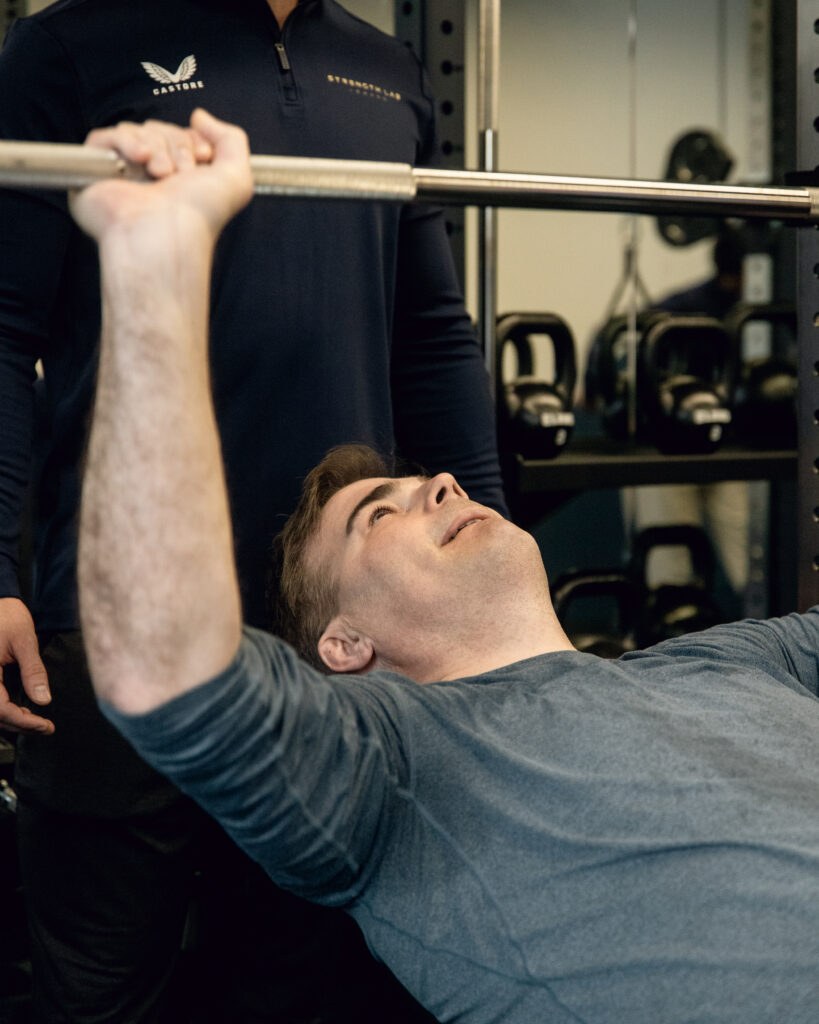
What is a Bench Press Injury?
A bench press injury refers to any damage or strain to the muscles, tendons, or ligaments of the shoulder or pectoral region caused by bench press exercise. This common bench press injury can lead to shoulder pain, affecting the range of motion and stability of the shoulder joint.
Anatomy of the Shoulder
The shoulder is a complex joint comprising the shoulder blade (scapula), upper arm bone (humerus), and collarbone (clavicle). The pectoral muscles, deltoid, and rotator cuff muscles surround the shoulder socket, ensuring proper movement and stability. A bench press shoulder injury often affects the pectoral muscles, causing pain and discomfort in the front of the shoulder.
What Causes Shoulder Pain from Bench Press?
Shoulder pain from bench press is a common issue among weightlifters and fitness enthusiasts. Understanding the root causes can help in preventing and managing this discomfort effectively. Here are the main factors contributing to shoulder pain from bench press:
Improper Form
Using improper bench press form is one of the primary culprits behind shoulder pain. When you don’t maintain the correct posture and alignment during the bench press exercise, it puts undue stress on the shoulder joints and muscles. For instance, flaring out the elbows excessively or arching the back too much can strain the shoulders, leading to discomfort or injury. It’s crucial to learn and practice proper bench press form to avoid such issues. A certified fitness trainer or physiotherapist can guide you on correct bench press technique, emphasizing the importance of shoulder blade retraction and maintaining a neutral spine.
Overtraining
Overtraining is another common cause of shoulder pain after bench press. Pushing your limits by performing excessive sets and repetitions without giving your muscles adequate time to recover can lead to muscle fatigue and inflammation. Overtraining not only affects muscle recovery but also increases the risk of injury. It’s essential to incorporate rest days into your workout routine and listen to your body’s signals. If you’re experiencing persistent shoulder discomfort or reduced range of motion, it’s a sign that you might be overtraining and need to adjust your workout intensity or take a break to allow proper recovery.
High Weight Lifting
Lifting heavy weights can be exhilarating, but it also comes with its risks if not done correctly. When you lift weights that are too heavy for your current strength level or without proper stabilization, it puts excessive strain on the shoulder muscles and tendons. This can lead to micro-tears in the muscle fibers or even more severe injuries like rotator cuff tears. It’s essential to choose a weight that allows you to maintain proper form throughout the bench press movement. Gradually increase the weight as you build strength and always prioritize technique over lifting heavier weights. Using a spotter or safety bars can also help in preventing injuries during heavy lifting sessions.
Risk Factors for Shoulder Injuries
- Overtraining: Excessive bench press exercise without rest.
- Improper Form: Lifting weights without proper bench press form.
- Age: Older individuals may be more prone to shoulder injuries due to decreased muscle strength and flexibility.
Symptoms of Shoulder Pain After Bench Press
Common Symptoms:
- Pain in the front of the shoulder during bench press
- Shoulder discomfort or soreness after bench press exercise
- Limited range of motion in the shoulder joint
Rare Symptoms:
- Sharp pain during a bench press set
- Pain that radiates to the elbow or triceps
- Persistent shoulder pain even without exercise
Diagnosis of Bench Press Shoulder Injuries
Shoulder pain from bench press often requires diagnosis to determine the extent of the injury:
- Initial Diagnosis: A medical professional will inquire about the symptoms and bench press routine.
- Clinical Examination: Physical examination to check the range of motion, strength, and stability of the shoulder joint.
- Other Potential Examinations: MRI or X-ray may be conducted to identify any tears or damage to the muscles, tendons, or ligaments.
Treatment of Shoulder Pain from Bench Press
Shoulder pain from bench press can be quite bothersome and may require various treatment approaches depending on the severity and underlying cause of the injury. Here’s a detailed look at the treatment options available:
Common Treatments
Rest and Ice
Rest is crucial for allowing the injured shoulder muscles and tendons to heal. It’s essential to avoid any activities that exacerbate the pain or strain the shoulder further. Applying ice packs to the affected area can help reduce inflammation and alleviate pain. It’s recommended to apply ice for about 15-20 minutes several times a day, especially in the initial stages of the injury. This can help in reducing swelling and providing temporary relief from shoulder pain.
Physiotherapy
Physiotherapy plays a vital role in the rehabilitation of shoulder injuries from bench press. A physiotherapist can design a personalized exercise program focusing on strengthening the shoulder muscles, improving flexibility, and enhancing overall shoulder joint stability. Common physiotherapy exercises may include shoulder stretches, rotator cuff strengthening exercises, and scapular stabilization exercises. Regular physiotherapy sessions can significantly improve shoulder function and reduce the risk of recurrent injuries.
Pain Medication
Over-the-counter pain relievers such as ibuprofen or acetaminophen can be used to manage shoulder pain and discomfort. These medications can help in reducing pain and inflammation, making it easier to perform daily activities and participate in physiotherapy exercises. However, it’s essential to use these medications as directed and consult with a healthcare professional before starting any medication regimen, especially if you have other medical conditions or are taking other medications.
Rare Treatments
Surgery
In severe cases where conservative treatments fail to provide relief or if there’s significant damage to the shoulder muscles, tendons, or ligaments, surgical intervention may be required. Surgery may involve repairing torn muscles or tendons, removing damaged tissue, or stabilizing the shoulder joint. It’s essential to consult with an orthopedic surgeon to determine the most appropriate surgical approach based on the specific injury and individual circumstances.
Corticosteroid Injections
Corticosteroid injections can be used to reduce inflammation and alleviate pain in the shoulder joint. These injections deliver a potent anti-inflammatory medication directly to the affected area, providing temporary relief from shoulder pain. While corticosteroid injections can be effective in managing symptoms, they are generally used sparingly and as part of a comprehensive treatment plan that includes rest, physiotherapy, and other conservative treatments. It’s important to note that repeated corticosteroid injections may have side effects and should be used judiciously under the guidance of a healthcare professional.
Complications of Bench Press Injuries
Frequent Complications:
- Rotator cuff strain
- Shoulder impingement
- Muscle or tendon tears
Occasional Complications:
- Rotator cuff injury requiring surgery
- Chronic shoulder pain and instability
Prevention of Shoulder Pain from Bench Press
- Proper Form: Always use proper bench press form to avoid shoulder strain.
- Warm-up: Warm-up exercises to prepare the shoulder muscles before bench press.
- Strengthening Exercises: Strengthen surrounding muscles like triceps and deltoid to stabilize the shoulder joint.
Working Out with Shoulder Pain from Bench Press
- Light Weights: Use lighter weights to reduce stress on the shoulder.
- Dumbbell Press: Opt for dumbbell press as it allows a more natural range of motion.
- Incline Bench Press: Incline bench press can reduce strain on the shoulders.
Managing Shoulder Pain from Bench Press
- Rest: Give the shoulder adequate rest to heal.
- Physiotherapy: Follow a physiotherapy regimen to strengthen and stabilize the shoulder.
- Avoid Overtraining: Listen to your body and avoid exercises that exacerbate shoulder pain.
When Should I See a Doctor?
If you’re experiencing shoulder pain during bench press or persistent shoulder discomfort after bench press exercise, it’s essential to consult a medical professional. Early diagnosis and treatment can prevent further complications and facilitate faster recovery.
Frequently Asked Questions
Below are answers to some of the most frequently asked questions on bench press injuries.
I noticed shoulder pain during bench press. Should I get it checked up?
Yes, it’s crucial to consult a medical professional to determine the cause and extent of the injury.
What exercises help with my bench press shoulder injury?
Physiotherapy exercises targeting shoulder strengthening and stability can help alleviate pain and prevent future injuries.
How often do I need to do exercises?
Follow the physiotherapy regimen as prescribed by your physiotherapist, usually 2-3 times a week.
How did I get a bench press shoulder injury?
Bench press injuries are often caused by improper form, overtraining, or lifting heavy weights without proper stabilization.
Is it OK to walk/run with shoulder pain from bench press?
It’s advisable to avoid activities that exacerbate shoulder pain. Consult your physiotherapist for guidance on safe exercises.
How long will bench press shoulder injury last?
Recovery time varies depending on the severity of the injury. With proper treatment and physiotherapy, most people recover within a few weeks to months.