
Injuries are an unfortunate reality for many athletes and sports enthusiasts. Our bodies undergo tremendous stress during physical activities, leading to various forms of injuries. However, there’s good news – sports massage therapy can significantly aid in recovery and pain relief post-injury. In this article, we delve into the numerous benefits of sports massage, particularly after sustaining an injury, shedding light on its effectiveness in promoting healing and restoring optimal function.
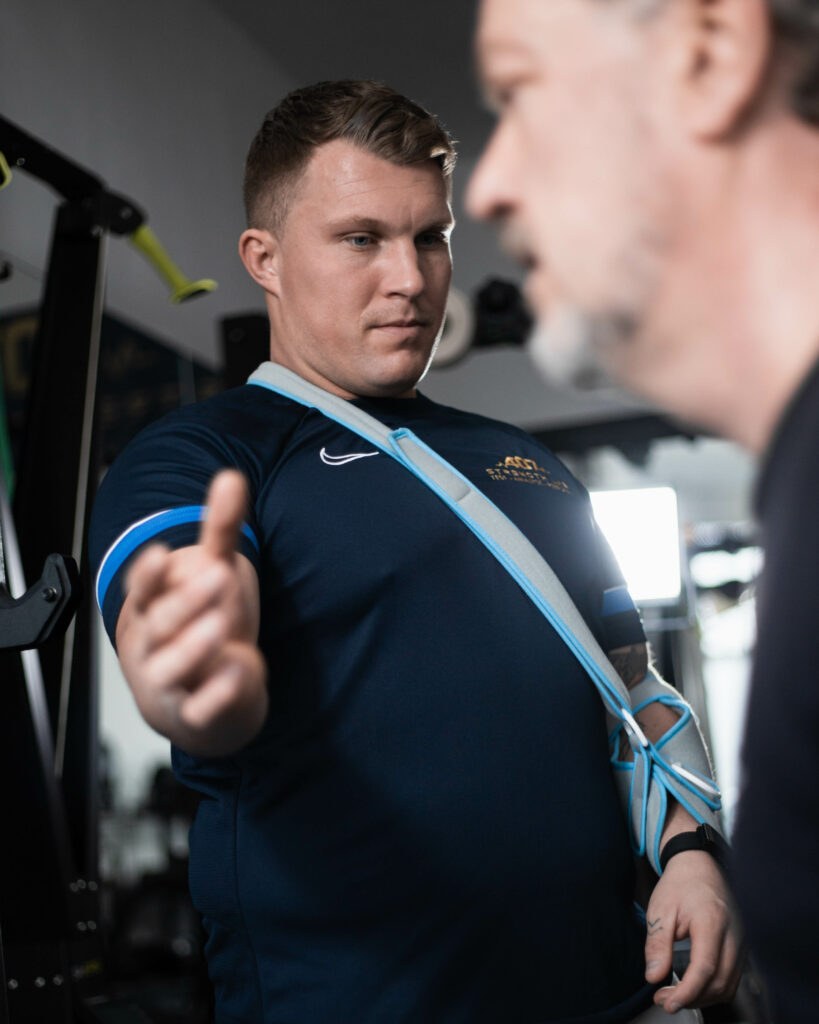
What is Sports Massage Therapy?
Before we delve into the benefits, let’s first grasp the essence of sports massage therapy. Sports massage or deep tissue massage involves the application of targeted pressure, kneading, and manipulation techniques to the soft tissues of the body, including muscles, tendons, and ligaments. This specialized form of massage therapy is designed to alleviate muscle tension, improve circulation, and enhance overall performance and recovery in athletes and individuals engaged in physical activities. You can receive this type of massage from a massage therapist at any sports injury clinic.
How Does Sports Massage Aid in Injury Recovery?
When an injury occurs, it disrupts the body’s natural healing process and often leads to inflammation, pain, and restricted movement. Sports massage plays a crucial role in facilitating the recovery process by addressing these issues. By applying specific massage techniques, therapists can:
- Relieve Muscle Tension: Sports massage helps in releasing tight muscles and reducing muscle tension, which can alleviate discomfort associated with the injury.
- Improve Circulation: Enhanced blood flow promoted by massage aids in delivering oxygen and nutrients to injured tissues, facilitating faster healing.
- Reduce Scar Tissue Formation: Massage techniques can break down scar tissue and adhesions that may form as a result of injury, promoting better tissue healing and flexibility.
- Enhance Range of Motion: Through targeted stretching and manipulation, sports massage helps in improving joint flexibility and range of motion, essential for returning to pre-injury activities.
When Should You Consider Sports Massage After an Injury?
Understanding the appropriate timing for sports massage post-injury is crucial. While immediate massage may not be suitable for acute injuries, it can be immensely beneficial during the recovery phase. Consider sports massage therapy:
- After the Acute Phase: Once the initial inflammation and acute pain have subsided, usually after the first 48 to 72 hours post-injury, sports massage can be safely incorporated into the rehabilitation plan.
- Throughout the Recovery Process: Sports massage can be beneficial at various stages of recovery, from the early rehabilitation phase to the final stages of returning to full activity. It can help manage pain, prevent secondary injuries, and promote tissue healing and remodeling.
Key Benefits of Sports Massage After an Injury
Accelerated Healing
Sports massage therapy promotes faster healing by improving circulation, reducing inflammation, and breaking down scar tissue, thereby facilitating the repair process of injured tissues.
Pain Relief
One of the primary reasons individuals seek sports massage after an injury is for pain relief. Massage helps in releasing endorphins, the body’s natural painkillers, and reducing muscle tension, resulting in decreased pain and discomfort.
Enhanced Mobility and Function
By addressing muscle tightness and improving joint flexibility, sports massage enhances mobility and function, allowing individuals to regain optimal movement patterns and return to their regular activities sooner.
Prevention of Secondary Injuries
Sports massage not only targets the primary injury but also addresses surrounding areas prone to compensatory stress. This helps in preventing secondary injuries and promoting overall musculoskeletal health.
Psychological Well-being
In addition to its physical benefits, sports massage also promotes psychological well-being by reducing stress, anxiety, and depression commonly associated with injuries, thus aiding in the overall recovery process.
Frequently Asked Questions
Below are answers to some of the most frequently asked questions on sports massage.
I noticed persistent muscle soreness after my injury. Should I get it checked up?
Yes, persistent muscle soreness could indicate underlying issues that require medical attention. It’s essential to consult a healthcare professional to rule out any serious injuries and determine the most appropriate treatment plan.
What exercises help with my injury recovery?
Your therapist may recommend specific exercises tailored to your injury type and stage of recovery. These exercises typically focus on improving strength, flexibility, and stability in the affected area while avoiding further strain or injury.
How often do I need to do exercises?
The frequency of exercises depends on various factors, including the severity of your injury and your overall fitness level. Your therapist will design a personalized exercise program and recommend the appropriate frequency based on your individual needs.
How did I get injured in the first place?
Injuries can occur due to various reasons, including overuse, poor technique, inadequate warm-up, or sudden impact. Identifying the underlying cause of your injury can help prevent future occurrences and optimize your recovery process.
Is it OK to walk/run with my injury?
It’s essential to consult your healthcare provider before engaging in any physical activity with an injury. While low-impact activities like walking may be safe, high-impact exercises such as running could exacerbate your condition and prolong recovery.
How long will my injury last?
The duration of recovery varies depending on the type and severity of the injury, as well as individual factors such as age, overall health, and adherence to treatment protocols. Following your therapist’s recommendations and actively participating in rehabilitation can expedite the healing process.