
Welcome to our comprehensive guide on bone stress injuries and stress fracture prevention and recovery. As avid athletes and health enthusiasts, we understand the importance of maintaining bone health and preventing overuse injuries. In this article, we’ll delve into the intricacies of bone stress injuries, exploring their causes, symptoms, diagnosis, treatment options, and most importantly, how to prevent and manage them effectively. Whether you’re a seasoned athlete or someone looking to embark on a fitness journey, understanding bone stress injuries is crucial for optimal physical performance and overall well-being.
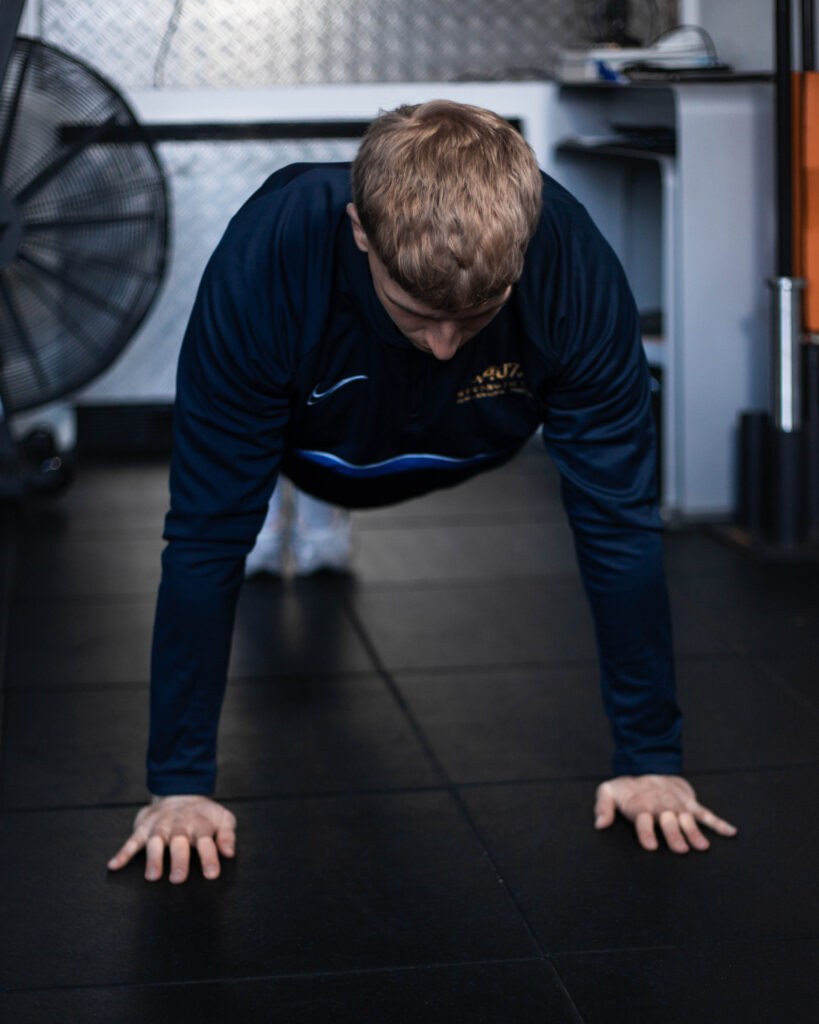
What Are Bone Stress Injuries?
Bone stress injuries, commonly known as stress fractures, are overuse injuries that occur when repetitive mechanical loading of the bone exceeds the bone’s ability to adapt and repair. These injuries can affect any bone in the body but are most prevalent in weight-bearing bones like the tibia, metatarsals, and fibula.
Anatomy of the Lower Extremity
The lower extremity comprises bones, muscles, ligaments, and tendons essential for mobility and stability. Stress fractures commonly occur in weight-bearing bones like the tibia due to the repetitive impact of activities like running and jumping. The constant stress on these bones can lead to microdamage, eventually resulting in stress fractures.
What Causes Bone Stress Injuries?
Bone stress injuries, commonly known as stress fractures, can occur due to various factors, all contributing to the repetitive strain placed on the bones. Understanding these factors is crucial for preventing and managing these debilitating injuries effectively.
- Overtraining: One of the primary causes of bone stress injuries is overtraining or engaging in high-intensity activities without allowing sufficient time for rest and recovery. When the body is subjected to repetitive stress without adequate breaks, the bones become more susceptible to microdamage accumulation, leading to stress fractures. This is particularly common in athletes who push themselves beyond their limits in training or competitions, without considering the importance of rest in the recovery process.
- Biomechanical Factors: Another significant contributor to bone stress injuries is biomechanical issues, such as poor running or movement mechanics. When the body’s biomechanics are inefficient, certain bones may bear excessive stress during physical activities, increasing the risk of injury. For example, improper foot placement or gait abnormalities can lead to uneven distribution of forces on the bones, predisposing them to stress fractures over time.
- Muscle Weakness: Weakness in the muscles surrounding the bones can also play a role in the development of stress fractures. Muscles act as shock absorbers, helping to dissipate the forces generated during movement and protect the bones from excessive stress. However, when muscles are weak or fatigued, they are less effective at absorbing these forces, resulting in greater strain on the bones. This places individuals at a higher risk of developing stress fractures, especially during repetitive activities that place a significant load on the bones.
- Footwear and Surface: The type of footwear worn during physical activity and the surface on which the activity is performed can also influence the risk of bone stress injuries. Improper footwear with inadequate cushioning or support can increase the impact forces transmitted to the bones, especially during activities like running or jumping. Similarly, training on hard surfaces such as concrete or asphalt can amplify these forces, further increasing the risk of stress fractures. It’s essential to choose appropriate footwear and training surfaces to minimize the strain on the bones and reduce the likelihood of injury.
By addressing these contributing factors and adopting preventive measures such as proper training techniques, adequate rest, and appropriate footwear, individuals can significantly reduce their risk of developing bone stress injuries. Additionally, seeking guidance from a sports medicine professional or physical therapist can help identify and address any biomechanical issues or muscle weaknesses that may predispose them to injury, ensuring long-term bone health and optimal physical performance.
Risk Factors for Bone Stress Injuries
- Increased Physical Activity: Rapidly increasing the intensity or duration of physical activity without proper conditioning.
- Female Athletes: Female athletes, especially those with menstrual irregularities or low bone mineral density, are at higher risk.
- Low Bone Density: Individuals with low bone density have weaker bones, making them more susceptible to stress fractures.
Symptoms of Bone Stress Injuries
Common Symptoms
- Localized Pain: Persistent pain during or after physical activity, often worsening with continued stress on the affected bone.
- Swelling: Swelling and tenderness around the injury site.
- Pain at Rest: Discomfort even during periods of rest, indicating a more severe injury.
Rare Symptoms
- Visible Deformity: In severe cases, a visible deformity or abnormality may be present.
- Difficulty Bearing Weight: Inability to bear weight on the affected limb due to intense pain.
How Are Bone Stress Injuries Diagnosed?
Bone stress injuries are diagnosed through a combination of clinical examination and imaging studies:
- Initial Diagnosis: Based on the patient’s medical history, symptoms, and physical examination findings.
- Clinical Examination: Palpation of the affected area to identify localized tenderness and swelling.
- Imaging Studies: X-rays, MRI, or bone scans may be used to confirm the diagnosis and assess the extent of the injury.
How Are Bone Stress Injuries Treated?
Common Treatment
- Rest and Activity Modification: Rest is paramount in the initial phase of treatment to allow the injured bone time to heal. This typically involves avoiding activities that place stress on the affected area, such as running or jumping. Activity modification may also be necessary to reduce the risk of further injury. For example, switching to low-impact exercises like swimming or cycling can help maintain cardiovascular fitness while minimizing strain on the injured bone. It’s essential to follow healthcare provider recommendations regarding the duration and intensity of activity modification to facilitate optimal healing.
- Physical Therapy: Physical therapy plays a crucial role in the rehabilitation process for bone stress injuries. A qualified physical therapist can design a tailored exercise program to address muscle imbalances, improve biomechanics, and promote overall bone health. Strengthening exercises targeting the muscles surrounding the affected bone can help provide stability and support, reducing the risk of future injuries. Additionally, flexibility exercises can improve joint mobility and reduce strain on the bones during movement. The physical therapist may also incorporate techniques such as manual therapy or therapeutic modalities to alleviate pain and enhance healing.
- Orthotics or Bracing: In some cases, orthotic devices or braces may be prescribed to offload stress from the affected bone and promote healing. Orthotics, such as shoe inserts or custom-made shoe orthoses, can help redistribute pressure and provide cushioning to reduce the strain on the injured area during weight-bearing activities. Similarly, braces or splints may be used to stabilize the affected limb and prevent excessive movement that could impede the healing process. These supportive devices are typically used in conjunction with rest and physical therapy to optimize recovery outcomes.
Rare Treatment
- Rest and Activity Modification: Rest is paramount in the initial phase of treatment to allow the injured bone time to heal. This typically involves avoiding activities that place stress on the affected area, such as running or jumping. Activity modification may also be necessary to reduce the risk of further injury. For example, switching to low-impact exercises like swimming or cycling can help maintain cardiovascular fitness while minimizing strain on the injured bone. It’s essential to follow healthcare provider recommendations regarding the duration and intensity of activity modification to facilitate optimal healing.
- Physical Therapy: Physical therapy plays a crucial role in the rehabilitation process for bone stress injuries. A qualified physical therapist can design a tailored exercise program to address muscle imbalances, improve biomechanics, and promote overall bone health. Strengthening exercises targeting the muscles surrounding the affected bone can help provide stability and support, reducing the risk of future injuries. Additionally, flexibility exercises can improve joint mobility and reduce strain on the bones during movement. The physical therapist may also incorporate techniques such as manual therapy or therapeutic modalities to alleviate pain and enhance healing.
- Orthotics or Bracing: In some cases, orthotic devices or braces may be prescribed to offload stress from the affected bone and promote healing. Orthotics, such as shoe inserts or custom-made shoe orthoses, can help redistribute pressure and provide cushioning to reduce the strain on the injured area during weight-bearing activities. Similarly, braces or splints may be used to stabilize the affected limb and prevent excessive movement that could impede the healing process. These supportive devices are typically used in conjunction with rest and physical therapy to optimize recovery outcomes.
Potential Complications of Bone Stress Injuries
Frequent Complications
- Delayed Healing: Prolonged recovery time if the injury is not properly managed.
- Recurrent Injuries: Increased risk of future stress fractures if underlying issues are not addressed.
Occasional Complications
- Complete Fracture: Progression to a complete bone fracture if the injury is not detected and treated early.
- Chronic Pain: Persistent pain and disability, especially in cases of recurrent or untreated stress fractures.
Prevention of Bone Stress Injuries
Preventing bone stress injuries involves a comprehensive approach:
- Gradual Progression: Gradually increasing the intensity and duration of physical activity to allow the bones to adapt.
- Proper Footwear: Wearing appropriate footwear with adequate cushioning and support for the specific activity.
- Cross-Training: Incorporating a variety of low-impact activities to reduce the repetitive stress on specific bones.
- Regular Rest and Recovery: Allowing adequate time for rest and recovery between workouts to prevent overuse injuries.
How to Work Out with Bone Stress Injuries
When dealing with bone stress injuries, it’s essential to modify your workout routine:
- Low-Impact Activities: Opt for activities like swimming, cycling, or using an elliptical machine to minimize stress on the affected bone.
- Strength Training: Focus on strengthening surrounding muscles to improve stability and reduce strain on the injured area.
How to Manage Bone Stress Injuries
Managing bone stress injuries requires a proactive approach:
- Follow Treatment Plan: Adhere to your healthcare provider’s recommendations regarding rest, activity modification, and rehabilitation.
- Monitor Symptoms: Pay attention to any changes in symptoms and adjust your activity level accordingly.
- Consult a Professional: Seek guidance from a sports medicine physician or physical therapist for personalized treatment and advice.
When Should I Go to the Doctor?
If you experience persistent pain or swelling that interferes with your daily activities, it’s essential to consult a healthcare professional promptly. Early intervention can prevent complications and expedite the healing process.
Frequently Asked Questions
Below are answers to some of the most frequently asked questions on bone stress injuries.
I noticed persistent pain during my workouts. Should I get it checked up?
Yes, persistent pain during physical activity could be a sign of a bone stress injury, and it’s crucial to seek medical evaluation to prevent further damage.
What exercises help with my bone stress injury?
Low-impact exercises like swimming, cycling, and strength training can help maintain fitness levels while minimizing stress on the injured bone.
How often do I need to do exercises?
Follow your healthcare provider’s recommendations regarding the frequency and intensity of exercises, ensuring adequate rest and recovery between sessions.
How did I get a bone stress injury?
Bone stress injuries often result from overuse or repetitive mechanical loading of the bone without sufficient rest and recovery.
Is it OK to walk/run with a bone stress injury?
It’s essential to avoid activities that exacerbate symptoms and follow your healthcare provider’s recommendations regarding activity modification and rest.
How long will a bone stress injury last?
The duration of recovery depends on various factors, including the severity of the injury, adherence to treatment, and individual healing response. It’s essential to follow your healthcare provider’s guidance for optimal recovery.
In conclusion, bone stress injuries can significantly impact an individual’s physical performance and overall quality of life. By understanding the causes, symptoms, and treatment options for these injuries, individuals can take proactive steps to prevent and manage them effectively. Remember to listen to your body, seek professional guidance when needed, and prioritize rest and recovery to maintain optimal bone health and fitness levels.