
In this article, we delve into the intricacies of calf strains, a common soft tissue injury that affects the calf muscle. Whether you’re an athlete, fitness enthusiast, or someone simply looking to understand more about this injury, our comprehensive guide provides valuable insights into its causes, symptoms, diagnosis, treatment, and prevention strategies.
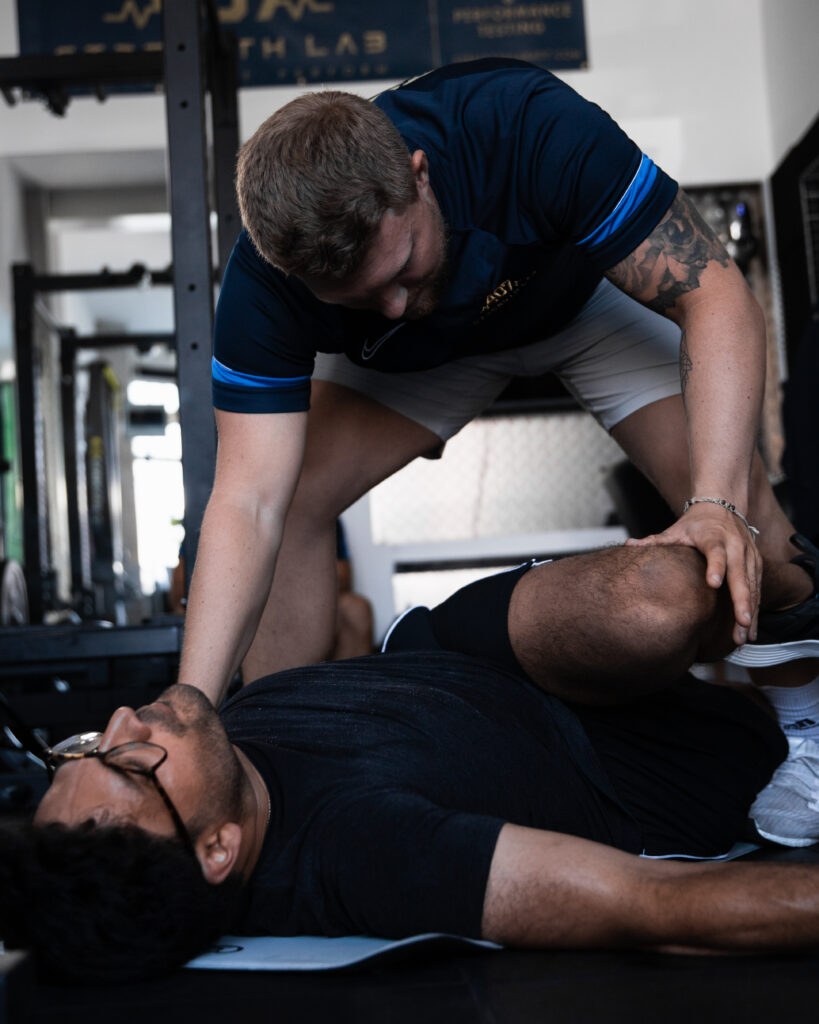
What are Calf Strains?
Calf strains, also known as torn calf muscles, are is a type of muscle strain characterized by damage to the calf muscle fibers. This type of calf injury often occurs due to sudden movements or overexertion, leading to varying degrees of pain and discomfort.
Anatomy of the Calf Muscle
The calf muscle comprises two main muscles: the gastrocnemius and the soleus. These muscles play a crucial role in the movement of the ankle joint, particularly plantar flexion. When strained, the fibers of these muscles may tear, resulting in pain and swelling at the back of the lower leg.
Causes of Calf Strains
When it comes to calf strains, understanding the underlying causes is crucial for prevention. Let’s delve deeper into each of the primary factors contributing to this common soft tissue injury:
1. Sudden Movements: Calf strains often occur when there’s a sudden, forceful movement that places excessive stress on the calf muscle. This could happen during activities such as sprinting, jumping, or abruptly changing direction, especially without proper conditioning or muscle preparation. The rapid change in movement can strain the calf muscle fibers, leading to injury.
2. Overexertion: Another common cause of calf strains is overexertion, where the muscle is pushed beyond its capacity. This can happen during intense physical activities like running, jumping, or lifting heavy weights. When the calf muscle is subjected to excessive stress without adequate rest or recovery, it becomes more susceptible to strain. Athletes or individuals who engage in strenuous activities without proper conditioning are particularly at risk.
3. Poor Warm-up: Failing to warm up adequately before exercise is a significant risk factor for calf strains. Warm-up activities, such as dynamic stretching or light aerobic exercise, help increase blood flow to the muscles, improve flexibility, and prepare the body for more intense activity. Without proper warm-up, the calf muscles may be tight and less responsive, making them more prone to injury during subsequent physical exertion.
By addressing these underlying causes through proper conditioning, warm-up routines, and mindful exercise practices, individuals can significantly reduce the risk of experiencing calf strains. Incorporating gradual progression in training, ensuring adequate rest and recovery, and listening to the body’s signals are essential aspects of injury prevention and overall musculoskeletal health.
Risk Factors for Calf Strains
Previous Injury: Individuals with a history of calf strains are more susceptible to re-injury.
Muscle Weakness: Weak calf muscles lack the strength to withstand intense physical activity, increasing the risk of strain.
Symptoms of Calf Strains
Common Symptoms
- Sharp pain in the calf
- Swelling and bruising
- Difficulty walking or standing
Rare Symptoms
- Numbness in the affected leg
- Loss of strength in the calf muscle
Diagnosis of Calf Strains
Calf strains are typically diagnosed based on a combination of medical history, clinical examination, and imaging tests such as ultrasound or MRI. During the clinical examination, the physician assesses the extent of pain, swelling, and range of motion in the injured calf.
Treatment Options for Calf Strains
Here are the treatment options for calf strains to provide a more comprehensive understanding of how each method aids in the recovery process.
Common Treatments
1. Rest: Rest is paramount in the initial stages of healing for a calf strain. By minimizing movement and weight-bearing activities on the injured leg, the muscle fibers can begin to repair themselves without further stress or damage, bring about pain relief. Usually, it takes at least three days for a pulled calf muscle to start feeling better. It’s essential to avoid activities that aggravate pain and to allow the affected muscle adequate time to recover fully.
2. Ice Therapy: Applying ice to the injured calf helps manage pain and reduce inflammation. Cold therapy constricts blood vessels, which decreases blood flow to the affected area and alleviates swelling. Ice packs should be applied for about 15-20 minutes every few hours during the first 48 hours following the injury. This can be continued as needed to help manage pain and discomfort throughout the healing process.
3. Compression: Compression therapy involves wrapping the injured calf with a compression bandage or sleeve. Compression helps reduce swelling by applying pressure to the area, which prevents fluid buildup and promotes better circulation. It also provides support to the injured muscle, reducing the risk of further injury and facilitating faster healing. It’s essential to ensure that the compression is snug but not too tight, as excessive pressure can impede blood flow.
4. Physiotherapy: Physiotherapy plays a crucial role in the rehabilitation process for calf strains. A qualified physiotherapist will assess the extent of the injury and develop a tailored treatment plan to restore strength, flexibility, and function to the calf muscle. This may include a combination of stretching exercises, strengthening exercises, massage, manual therapy techniques, and modalities such as ultrasound or electrical stimulation. Physiotherapy helps optimize healing, prevent recurrence, and ensure a safe return to normal activities and sports. The full recovery may take weeks.
By incorporating these comprehensive treatment approaches, individuals can effectively manage calf strains and promote optimal recovery. Additionally, over-the-counter analgesics could be prescribed to alleviate pain. The full recovery It’s essential to follow medical advice and adhere to the prescribed treatment plan to facilitate a successful rehabilitation process and minimize the risk of long-term complications.
Rare Treatments
In severe cases, the following treatment options for calf strains could be adopted:
1. Platelet-Rich Plasma (PRP) Therapy: PRP therapy involves extracting a small amount of the patient’s blood, processing it to concentrate the platelets, and then injecting the platelet-rich plasma directly into the injured area. Platelets contain growth factors that promote tissue repair and regeneration, potentially accelerating the healing process for calf strains. While not as commonly used as other treatments, PRP therapy may be considered for individuals with severe or chronic calf strains who have not responded well to conventional therapies.
2. Extracorporeal Shock Wave Therapy (ESWT): ESWT is a non-invasive procedure that uses shock waves to stimulate healing in injured tissues. During treatment, shock waves are directed at the site of the strained calf muscle, promoting increased blood flow, tissue regeneration, and pain relief. While ESWT has been used successfully in treating various musculoskeletal conditions, including plantar fasciitis and tendonitis, its use for calf strains is less common and may be considered in cases where conservative treatments have been ineffective.
3. Prolotherapy: Prolotherapy, also known as regenerative injection therapy, involves injecting a solution (typically containing dextrose or other irritants) into the injured tissue to stimulate inflammation and promote healing. The inflammatory response triggered by prolotherapy encourages the body’s natural healing processes, leading to the formation of new collagen and strengthening of the injured ligaments or tendons. While research on the efficacy of prolotherapy for calf strains is limited, some practitioners may offer this treatment option as part of a comprehensive rehabilitation plan.
It’s important to note that these rare treatment options may not be readily available in all healthcare settings and may require consultation with a specialist or sports medicine physician. Additionally, the effectiveness of these treatments for calf strains may vary depending on the individual’s specific condition and response to therapy. As with any medical intervention, it’s essential to discuss the potential risks, benefits, and alternatives with a qualified healthcare provider before pursuing rare or experimental treatments for calf strains.
Potential Complications of Calf Strains
Frequent Complications
- Loss of strength in the calf muscle
- Prolonged recovery time
Occasional Complications
- Rupture of the calf muscle
- Persistent pain and swelling
Preventing Calf Strains
- Proper Warm-up: Always warm up before engaging in physical activity to prepare the muscles for exertion.
- Gradual Progression: Gradually increase the intensity and duration of exercise to prevent overexertion.
- Strength Training: Strengthening the calf muscles through targeted exercises can help reduce the risk of strain.
How to Exercise with a Calf Strain
When dealing with a calf strain, it’s essential to avoid activities that exacerbate pain. However, gentle stretching and strengthening exercises focusing on other muscle groups, such as the quadriceps and hamstrings, can aid in overall recovery.
Managing Calf Strains
- To effectively manage a calf strain, follow these steps:
- Rest the injured leg and avoid activities that aggravate pain.
- Apply ice packs to reduce swelling and alleviate discomfort.
- Gradually reintroduce gentle exercises recommended by a physiotherapist to promote healing.
When to Seek Medical Attention
If you experience severe pain, persistent swelling, or difficulty bearing weight on the affected leg, it’s crucial to consult a doctor promptly. Early intervention can prevent complications and facilitate a faster recovery.
Frequently Asked Questions
Here are answers to some of the most frequently asked questions on calf strains.
I noticed sharp pain in my calf. Should I get it checked up?
Yes, sudden sharp pain in the calf could indicate a strain or tear, necessitating medical evaluation.
What exercises help with my calf strain?
Gentle stretching and strengthening exercises focusing on other muscle groups can aid in recovery.
How often do I need to do exercises?
Follow the guidance of your healthcare provider or physiotherapist regarding the frequency of exercises.
How did I get a calf strain?
Calf strains are often caused by sudden movements, overexertion, or inadequate warm-up before exercise.
Is it OK to walk/run with a calf strain?
It’s advisable to avoid activities that exacerbate pain until the calf muscle has healed sufficiently.
How long will a calf strain last?
Recovery time varies depending on the severity of the injury but may take up to six weeks for full recovery.
In conclusion, understanding the causes, symptoms, and treatment options for calf strains is essential for effective management and prevention of this common injury. By following proper rehabilitation protocols and adopting preventive measures, individuals can minimize the risk of recurrence and promote long-term musculoskeletal health.