
Are you getting back into the gym after a long break? It’s an exciting time to start working towards your fitness goals again, but it’s essential to do so safely. Our article discusses the best practices to prevent injuries and manage the risks associated with returning to the gym after a hiatus.
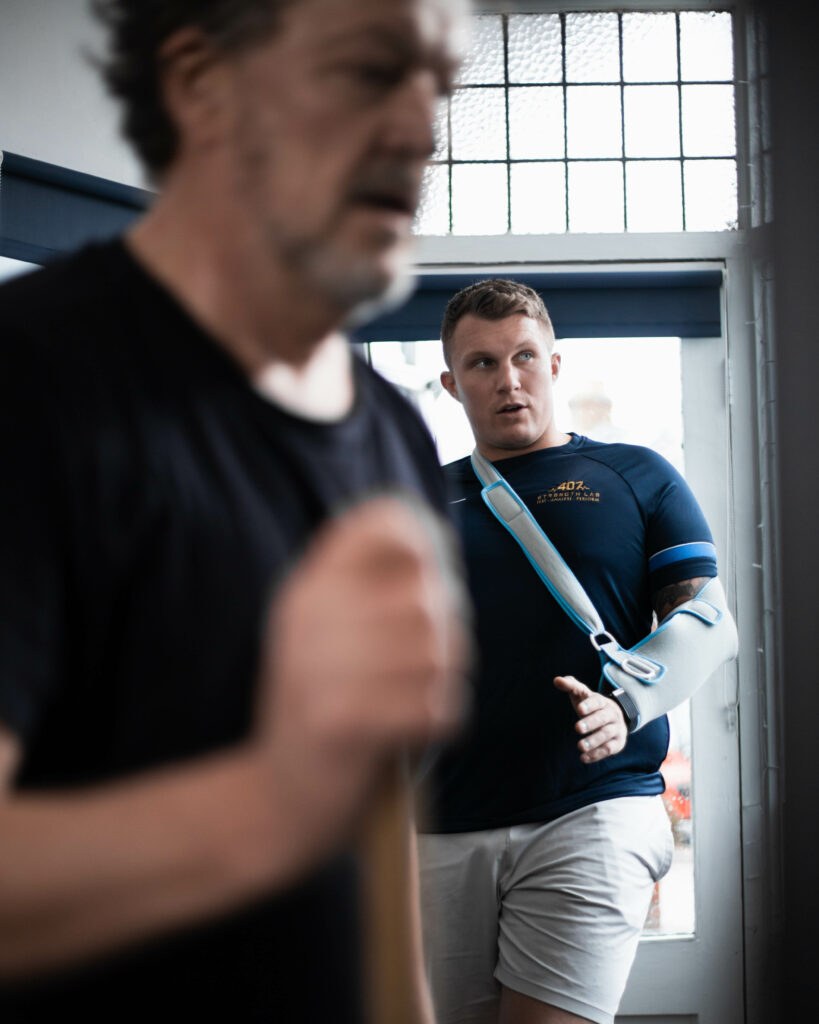
What are the Risks of Injury When Getting Back into the Gym?
Returning to the gym after a long break poses various risks of injury due to decreased fitness levels, muscle weakness, and improper technique. It’s crucial to understand these risks to mitigate them effectively.
How Can You Prevent Gym-Related Injuries?
- Establishing Healthy Habits: Creating a consistent workout routine and gradually increasing intensity can help prevent injuries. Additionally, focusing on proper form and technique during exercises reduces the risk of strains and sprains.
- Listening to Your Body: Recognizing the signs of fatigue and muscle soreness is essential. Pushing through pain can lead to overuse injuries, so it’s crucial to rest when needed and avoid overexertion.
- Starting Slowly: Returning to the gym after a long break may require starting at a lower intensity or using lighter weights to allow your body time to readjust. It’s essential not to rush the process and give your muscles time to rebuild strength.
What Exercises Help with Preventing Injury?
When considering exercises that help prevent injury, it’s essential to focus on a good workout that targets various aspects of fitness. Here are some specific exercises that can aid in injury prevention:
Strength Training
1. Squats: Squats are a compound exercise that targets multiple muscle groups, including the quadriceps, hamstrings, glutes, and core. By strengthening these muscles, squats improve lower body stability and reduce the risk of knee and back injuries when you get back to the gym after a break.
2. Deadlifts: Deadlifts primarily target the posterior chain, including the hamstrings, glutes, and lower back. Strengthening these muscles enhances overall body strength and stability, reducing the likelihood of lower back injuries.
3. Lunges: Lunges work the quadriceps, hamstrings, glutes, and calves while also improving balance and coordination. Incorporating lunges into your routine helps correct muscle imbalances and reduces the risk of lower body injuries.
4. Planks: Planks engage the core muscles, including the abdominals, obliques, and lower back. A strong core provides stability and support for the entire body, helping to prevent injuries during other exercises and daily activities.
Mobility and Flexibility
1. Dynamic Warm-Up: Performing dynamic stretches and mobility exercises before a workout helps prepare the muscles and joints for activity. Movements like leg swings, arm circles, and hip rotations increase blood flow and improve flexibility, reducing the risk of strains and sprains.
2. Foam Rolling: Foam rolling is a form of self-myofascial release that helps alleviate muscle tension and improve mobility. Rolling out tight muscles before and after workouts can enhance the range of motion and prevent injuries related to muscle tightness.
3. Yoga or Pilates: Practicing yoga or Pilates can improve flexibility, balance, and body awareness. These disciplines focus on controlled movements and proper alignment, reducing the risk of overuse injuries and enhancing overall functional fitness.
By incorporating a combination of strength training exercises and mobility/flexibility work into your fitness routine, you can address weaknesses, improve stability, and reduce the risk of injury. It’s essential to perform exercises with proper form and technique to maximize effectiveness and minimize the chance of injury. If you’re unsure about how to perform certain exercises safely, consider seeking guidance from a qualified fitness professional.
How to Manage Gym-Related Trauma?
- Proper Warm-Up and Cool Down: Performing dynamic warm-up exercises before your workout and static stretches afterward can help prepare your muscles for activity and reduce post-exercise soreness.
- Using Correct Equipment: Ensuring that gym equipment is set up correctly and using proper footwear can prevent accidents and minimize the risk of injury during workouts.
- Seeking Professional Guidance: Consulting with a personal trainer or fitness expert can provide personalized guidance on exercise programming and technique, reducing the risk of injury.
When Should You Seek Medical Attention?
If you experience persistent pain, swelling, or limited range of motion after returning to the gym, it’s essential to consult a healthcare professional. Ignoring these symptoms can lead to further injury and delay your recovery.
Frequently Asked Questions
Here are answers to some of the most frequently asked questions on how to avoid gym-related trauma.
I noticed muscle soreness after my workout. Should I get it checked up?
It’s normal to experience muscle soreness, known as delayed onset muscle soreness (DOMS), after a workout. However, if the pain is severe or persists for more than a few days, it’s advisable to consult a healthcare professional.
How often do I need to do exercises?
The frequency of exercise depends on individual fitness goals and preferences. It’s recommended to aim for at least 150 minutes of moderate-intensity aerobic activity or 75 minutes of vigorous-intensity activity per week, along with strength training exercises twice a week.
Is it OK to walk/run with a gym-related injury?
It depends on the severity of the injury. Low-impact activities like walking or swimming may be suitable alternatives to high-impact exercises like running if you’re recovering from an injury.
How long will a gym-related injury last?
The duration of recovery depends on the type and severity of the injury. Minor strains or sprains may heal within a few weeks with proper rest and rehabilitation, while more severe injuries may require longer recovery periods.
In conclusion, returning to the gym after a long break requires careful planning and consideration to prevent injuries effectively. By following these preventative measures and listening to your body, you can safely get back into your fitness routine and work towards your goals. Remember to prioritize safety and gradual progress to avoid setbacks on your fitness journey.