
Sports injuries are common among athletes of all levels, from amateurs to professionals. Dealing with an injury can be challenging, but knowing how to manage it effectively at home can make a significant difference in recovery time and overall well-being. In this article, we’ll explore five essential strategies for managing sports injuries from the comfort of your home, providing insights into common injuries, treatment options, and preventive measures.
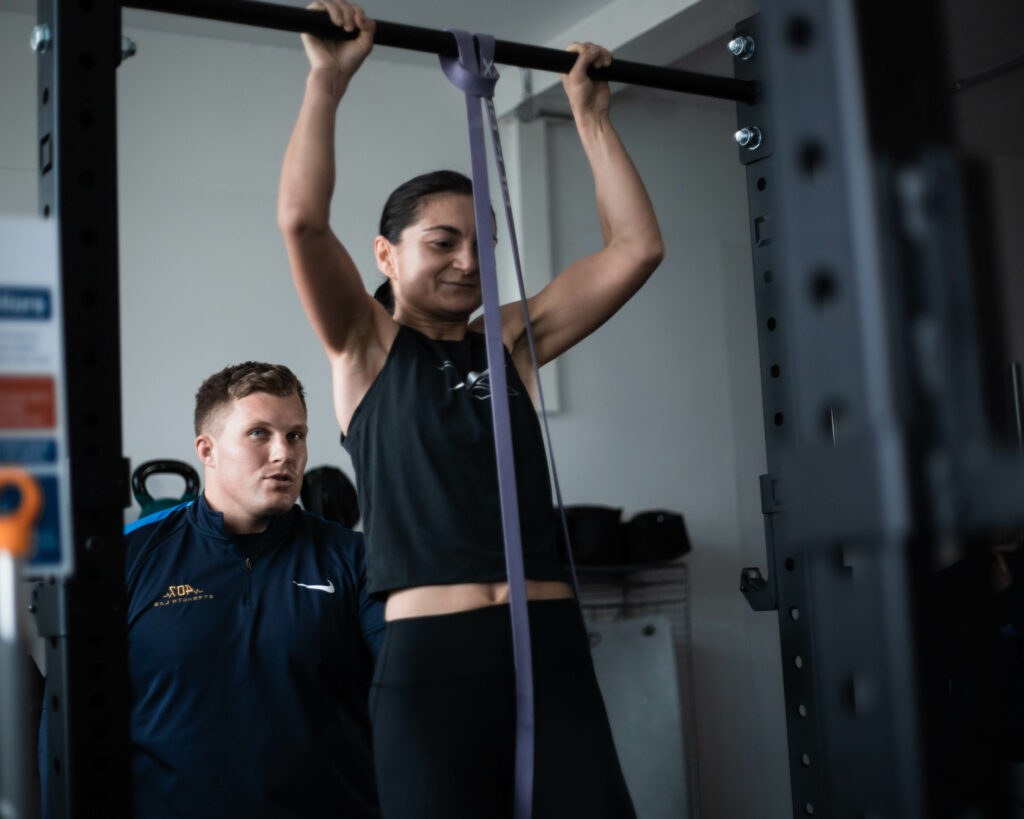
What are Common Sports Injuries?
Sports injuries include a wide range of conditions that affect athletes during physical activity. They can vary from acute injuries like strains and sprains to overuse injuries resulting from repetitive motions. Understanding the types of injuries and their causes is crucial for effective management and treatment.
Recognizing the Signs and Symptoms
Identifying the signs and symptoms of a sports injury is the first step towards proper management. Common symptoms include pain, swelling, and limited range of motion in the injured area. While some injuries may present with obvious symptoms, others, such as overuse injuries, may develop gradually over time.
Home-Based Treatment Strategies
Home-based treatment strategies are pivotal in the initial management of sports injuries, offering immediate relief and facilitating the healing process. Managing a sports injury at home involves a combination of rest, ice, compression, and elevation (RICE), along with other therapeutic interventions.
Rest
Rest is crucial for allowing the injured tissues to heal without further strain or stress. Depending on the severity of the injury, rest may involve complete immobilization or modification of activities to minimize pressure on the affected area. It’s essential to listen to your body and avoid activities that exacerbate pain or discomfort.
Ice
The application of ice packs, wrapped in a thin cloth or towel, helps constrict blood vessels and reduce blood flow to the injured area, thereby alleviating swelling and numbing the pain. Ice therapy is most effective when applied within the first 48 hours following the injury, in 15-20 minute intervals every few hours. However, it’s important to avoid direct contact between ice and skin to prevent frostbite.
Compression
Compression bandages or wraps aid in reducing swelling by applying gentle pressure to the injured area, promoting the reabsorption of excess fluid and minimizing inflammation. It’s essential to wrap the bandage snugly but not too tight to avoid impairing circulation or causing discomfort. Regularly check for signs of numbness, tingling, or discoloration, and adjust the compression as needed.
Elevation:
Elevating the injured limb above the level of the heart helps reduce swelling by facilitating the drainage of fluid away from the injured area. Prop up the injured limb with pillows or cushions while lying down or sitting to maintain the elevation. Aim to keep the limb elevated for extended periods, especially during rest and sleep, to maximize the benefits of this technique.
Over-the-counter Pain Relievers
Nonsteroidal anti-inflammatory drugs (NSAIDs) such as ibuprofen or acetaminophen can help relieve pain and reduce inflammation associated with sports injuries. These medications are readily available over-the-counter and can provide temporary relief when used as directed. However, it’s important to consult a healthcare professional before taking any medication, especially if you have underlying medical conditions or are taking other medications.
Additional Therapeutic Interventions
In addition to the RICE method, several other therapeutic interventions can complement home-based treatment strategies for sports injuries. These may include:
- Heat Therapy: Heat can be used to relax muscles, improve blood circulation, and alleviate stiffness in the injured area. Heat packs or warm towels can be applied to the affected area for 15-20 minute intervals, providing relief from chronic pain or muscle tightness.
- Gentle Exercise: Once the acute phase of the injury has passed, gentle stretching and range-of-motion exercises can help prevent stiffness and promote healing. Consult with a healthcare professional or physical therapist to develop a customized exercise program tailored to your specific injury and fitness level.
- Massage Therapy: Massage techniques such as effleurage, kneading, and deep tissue massage can help reduce muscle tension, improve circulation, and promote relaxation in the injured area. However, it’s essential to avoid deep pressure or aggressive manipulation that may exacerbate pain or cause further injury.
- Hydrotherapy: Hydrotherapy, including contrast baths or whirlpool therapy, can provide pain relief and promote recovery by alternating between hot and cold water immersion. This modality helps improve circulation, reduce inflammation, and enhance muscle relaxation in the injured area.
Incorporating these home-based treatment strategies into your recovery plan can effectively manage sports injuries, alleviate symptoms, and accelerate the healing process. However, it’s important to remember that proper diagnosis and guidance from a healthcare professional are essential for ensuring safe and effective treatment. If your symptoms persist or worsen despite home care, don’t hesitate to seek medical attention for further evaluation and management.
Rehabilitation and Preventive Measures
Rehabilitation plays a vital role in the recovery process, helping athletes regain strength, flexibility, and function in the injured area. Physical therapy exercises, stretching routines, and gradual return to activity are essential components of rehabilitation. Moreover, implementing preventive measures such as proper warm-up, adequate rest, and cross-training can help reduce the risk of future injuries.
When to Seek Medical Attention
While many sports injuries can be managed effectively at home, some may require medical attention. If the injury is severe, persistent, or accompanied by symptoms like numbness, tingling, or loss of function, it’s crucial to consult a healthcare professional promptly. Early diagnosis and treatment can prevent complications and facilitate a faster recovery.
Frequently Asked Questions
Below are answers to some of the most frequently asked questions on sports injuries and home remedies for them.
1. I noticed swelling in my injured area. Should I get it checked up?
Swelling is a common symptom of sports injuries, but if it persists or worsens despite home treatment, it’s advisable to seek medical evaluation to rule out any underlying complications.
2. What exercises help with my sports injury?
Depending on the type and severity of the injury, gentle stretching, strengthening, and mobility exercises prescribed by a healthcare professional can aid in recovery and prevent muscle atrophy.
3. How often do I need to do exercises?
The frequency and intensity of exercises should be tailored to individual needs and guided by a rehabilitation program. Consistency is key, but it’s essential to avoid overexertion or exacerbating the injury.
4. How did I get a sports injury?
Sports injuries can result from various factors, including overuse, improper technique, inadequate warm-up, or sudden trauma during athletic activities.
5. Is it OK to walk/run with a sports injury?
It depends on the nature and severity of the injury. Low-impact activities like walking may be permissible in certain cases, but high-impact exercises like running should be avoided until clearance from a healthcare professional.
6. How long will my sports injury last?
Recovery time varies depending on the type and extent of the injury, as well as individual factors like age, overall health, and adherence to treatment protocols. In general, minor injuries may resolve within a few days to weeks, while more severe injuries may require longer recovery periods.
In conclusion, managing sports injuries at home requires a comprehensive approach involving rest, proper treatment, rehabilitation, and preventive measures. By understanding the nature of the injury, recognizing its signs and symptoms, and following appropriate home care strategies, athletes can promote healing, reduce pain, and expedite their return to activity. Remember to listen to your body, seek medical attention when necessary, and prioritize your long-term health and well-being.