
In the realm of sports, lower back pain is a prevalent issue that can significantly affect an athlete’s performance and overall well-being. In this comprehensive guide, we delve into the intricacies of athletic-related lumbar trauma, exploring its causes, symptoms, diagnosis, treatment options, prevention strategies, and management techniques. Whether you’re an athlete grappling with lower back pain or a sports enthusiast keen on understanding this common ailment, this article aims to provide valuable insights and guidance.
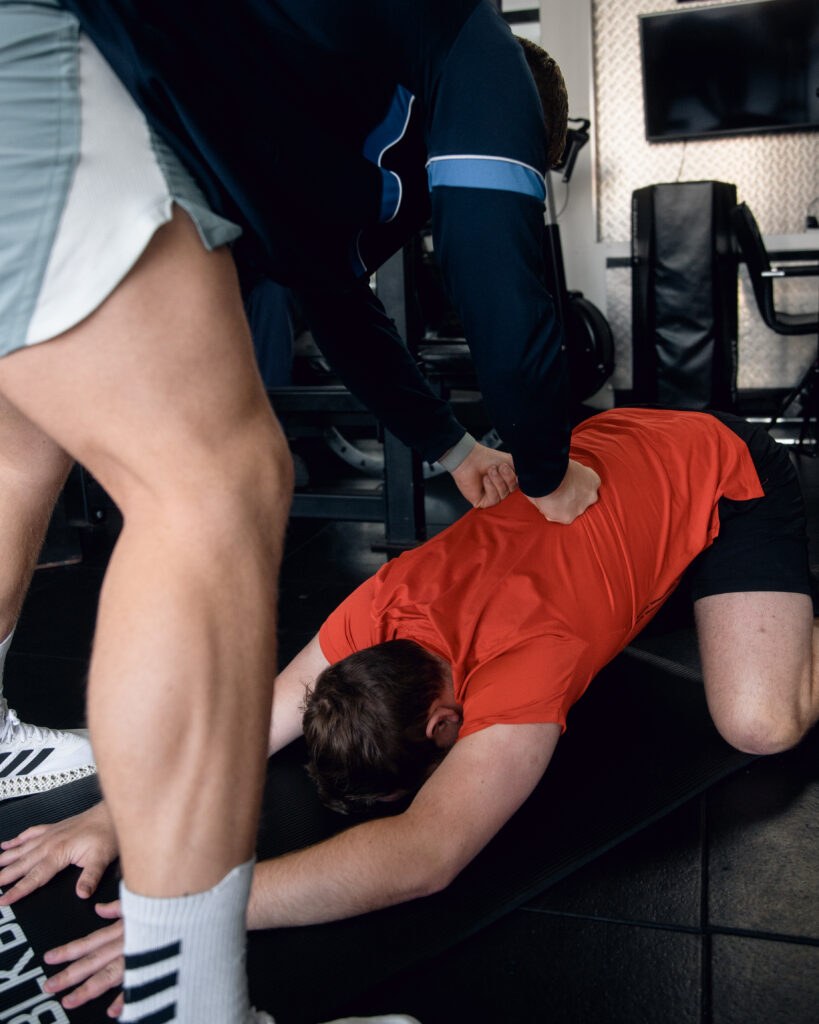
What is Athletic-related Lumbar Trauma?
Athletic-related lumbar trauma refers to the spectrum of injuries and conditions (such as sprains, fractures, and strains) affecting the lower back region commonly experienced by athletes due to the physical demands and repetitive motions involved in sports activities.
Anatomy of the Lumbar Spine
The lumbar spine comprises five vertebrae (L1-L5) that support the upper body’s weight and facilitate various movements such as bending, twisting, and lifting. Intervertebral discs, muscles, ligaments, and nerves contribute to the lumbar spine’s structure and function.
Common Causes of Low Back Pain or Athletic-related Lumbar Trauma
Athletic-related lumbar trauma can arise from various factors inherent to sports participation, including:
Muscle Strain: The lumbar region bears a significant load during athletic activities, making it susceptible to muscle strain. Overexertion, sudden movements, or inadequate warm-up can lead to microtears in the muscles of the lower back, resulting in pain and stiffness. Athletes involved in sports that involve repetitive bending, lifting, or twisting motions are particularly prone to low back pain.
Spinal Misalignment: Maintaining proper alignment of the spine is crucial for optimal performance and injury prevention. However, repetitive actions or improper form in sports can disrupt spinal alignment, leading to vertebral misalignments, subluxations, or spondylolysis. For instance, golfers may develop a condition known as “golfer’s back” due to the repetitive rotational movements involved in swinging, resulting in asymmetrical stress on the lumbar spine.
Disc Herniation: Intense physical activity, especially those involving heavy lifting or repetitive spinal flexion, can predispose athletes to disc herniation. This occurs when the soft inner core (nucleus pulposus) of an intervertebral disc protrudes through the tough outer layer (annulus fibrosus), potentially impinging on adjacent spinal nerves. Athletes participating in contact sports or activities with high impact, such as football or gymnastics, may be at increased risk of disc herniation due to the forces exerted on the spine.
Understanding these underlying causes is essential for implementing preventive measures and designing targeted rehabilitation programs to address athletic-related lumbar trauma effectively. Proper conditioning, technique refinement, and injury management protocols play a pivotal role in mitigating the risk of lower back injuries and promoting athletes’ long-term musculoskeletal health and performance.
Risk Factors for Low Back Pain in Athletes
- Poor Posture: Incorrect posture during athletic activities increases the risk of lumbar trauma.
- Overtraining: Excessive training without adequate rest and recovery increases susceptibility to back injuries.
- Previous Injury: Individuals with a history of lower back issues are more prone to recurrent trauma.
Symptoms
- Common Symptoms: Persistent dull ache, stiffness, limited range of motion, and discomfort during specific movements.
- Rare Symptoms: Radiating pain down the legs (sciatica), numbness or tingling sensation, and muscle weakness.
Diagnosing Athletic-related Lumbar Trauma
Initial evaluation involves a thorough review of the athlete’s medical history and a discussion of presenting symptoms to identify potential triggers or exacerbating factors. A medical doctor will conduct a physical examination to assess posture, range of motion, muscle strength, and neurological function in the lumbar spine and surrounding areas. Diagnostic imaging techniques such as X-rays, MRI scans, or CT scans may be utilized to visualize structural abnormalities, disc integrity, or soft tissue injuries.
Treatment Options
Common Treatments
Rest and Activity Modification
When dealing with athletic-related lumbar trauma, it’s crucial to allow the injured tissues time to heal properly. Resting the affected area and modifying activities to avoid movements that exacerbate pain or strain can help alleviate symptoms and prevent further damage. This may involve temporarily reducing or modifying sports participation, avoiding heavy lifting or repetitive bending, and incorporating ergonomic adjustments into daily activities to minimize stress on the lumbar spine.
Physical Therapy
Physical therapy plays a central role in the rehabilitation of athletic-related lumbar trauma. A skilled physical therapist can design a customized treatment plan tailored to the athlete’s specific needs and goals. This may include a combination of therapeutic exercises, stretches, manual techniques, and modalities such as heat or ice therapy to reduce pain, improve mobility, and restore function. Emphasis is placed on strengthening the muscles of the core, back, and pelvis to provide stability and support to the lumbar spine, while also addressing any underlying muscular imbalances or movement dysfunctions contributing to the injury.
Pain Management
Managing pain and inflammation is an integral part of the treatment process for athletic-related lumbar trauma. Nonsteroidal anti-inflammatory drugs (NSAIDs) or analgesics may be prescribed to alleviate discomfort and reduce inflammation, allowing the athlete to participate more comfortably in rehabilitation activities and promoting healing. Additionally, topical treatments such as ice packs or heat therapy may provide symptomatic relief and help alleviate muscle tension and soreness associated with the injury.
Rare Treatment
Surgical Interventions
In cases where conservative treatments fail to provide adequate relief or when the underlying structural issues are severe, surgical intervention may be considered as a last resort. Surgical procedures for athletic-related lumbar trauma aim to address specific anatomical abnormalities or structural damage contributing to symptoms. Common surgical interventions may include:
- Discectomy: A discectomy involves the surgical removal of a portion of the herniated or damaged intervertebral disc that is causing nerve compression and associated symptoms such as pain, numbness, or weakness in the legs. By decompressing the affected nerve roots, a discectomy can relieve pressure and alleviate radiating symptoms, allowing for improved function and mobility.
- Spinal Fusion: Spinal fusion surgery aims to stabilize the lumbar spine by permanently joining two or more vertebrae together using bone grafts, screws, and rods. This procedure is typically reserved for cases of severe spinal instability, degenerative disc disease, or spinal deformities that have not responded to conservative treatments. Spinal fusion helps to eliminate motion between the fused vertebrae, reduce pain, and improve spinal alignment and stability, albeit at the expense of some flexibility in the treated segment.
While surgical interventions may offer significant relief for certain individuals with athletic-related lumbar trauma, they also carry inherent risks and require careful consideration of the potential benefits and drawbacks. Therefore, surgical treatment options should be discussed thoroughly with a qualified spine surgeon, weighing factors such as the severity of symptoms, underlying pathology, and the individual’s overall health and functional goals.
Potential Complications
Frequent Complications
- Chronic Pain: Prolonged unresolved lumbar trauma may lead to chronic pain conditions, affecting daily functioning and quality of life.
- Muscle Weakness: Persistent discomfort and limited mobility can result in muscle weakness and imbalances, predisposing athletes to further injuries.
Occasional Complications
- Nerve Compression: Continued pressure on spinal nerves may cause radiating pain, numbness, or weakness in the legs.
- Degenerative Changes: Untreated or recurrent trauma may accelerate degenerative changes within the lumbar spine, leading to long-term structural alterations.
Prevention Strategies
To mitigate the risk of athletic-related lumbar trauma, athletes should consider the following preventive measures:
- Proper Warm-up and Cool-down: Engage in dynamic stretching and mobility exercises before and after workouts to prepare the body and reduce injury risk.
- Technique Refinement: Seek guidance from coaches or trainers to ensure proper form and technique during sports activities, minimizing undue stress on the lower back.
- Strength and Conditioning: Incorporate strength training exercises targeting the core, back, and hip muscles to enhance stability and support the lumbar spine.
Working Out with Athletic-related Lumbar Trauma
While navigating lower back pain, athletes can focus on exercises that promote mobility, stability, and strength without exacerbating symptoms. Emphasizing exercises that strengthen surrounding muscles, such as the core, hips, and glutes, can provide additional support to the injured lumbar region.
Managing Athletic-related Lumbar Trauma
Managing athletic-related lumbar trauma involves a multifaceted approach encompassing rest, rehabilitation, and gradual return to activity. Key steps include maintaining good posture, adhering to prescribed exercises and treatment modalities, and consulting healthcare professionals for guidance.
When to Seek Medical Attention
Athletes experiencing persistent or worsening symptoms of lower back pain should promptly seek medical evaluation to prevent potential complications and facilitate timely intervention. Early diagnosis and management are crucial for optimal recovery and restoration of athletic function.
Frequently Asked Questions
Here are answers to some of the frequently asked questions on lower back pain.
1. I noticed persistent lower back pain during my workouts. Should I get it checked up?
Persistent lower back pain during workouts could indicate an underlying issue that requires attention. It’s essential to listen to your body and not ignore recurring pain, as it may worsen over time and affect your athletic performance. Consulting a healthcare professional, such as a sports medicine physician or physical therapist, can help diagnose the cause of your lower back pain and develop an appropriate treatment plan to address it effectively.
2. What exercises can help alleviate my lower back pain?
Several exercises can help alleviate lower back pain by strengthening the muscles that support the lumbar spine, improving flexibility, and promoting proper posture. These may include:
3. How often should I perform exercises to manage my condition effectively?
The frequency of exercises to manage lower back pain depends on various factors, including the severity of your symptoms, your overall health and fitness level, and the specific recommendations of your healthcare provider or physical therapist.
4. How did I develop athletic-related lumbar trauma?
Athletic-related lumbar trauma can develop due to various factors, including repetitive movements, poor technique, overuse, muscular imbalances, and inadequate warm-up or cool-down routines. Engaging in high-impact sports or activities that place repetitive stress on the lumbar spine, such as weightlifting, running, or gymnastics, can increase the risk of developing lumbar trauma over time.
5. Is it safe to engage in running or other high-impact activities with lower back pain?
Engaging in high-impact activities such as running with lower back pain can exacerbate symptoms and potentially worsen your condition. It’s essential to prioritize your health and well-being and avoid activities that aggravate your symptoms until you’ve received proper evaluation and treatment from a healthcare professional.
6. How long does athletic-related lumbar trauma typically last?
The duration of athletic-related lumbar trauma varies depending on the severity of the injury, the effectiveness of treatment, and individual factors such as age, overall health, and adherence to rehabilitation protocols. In many cases, acute lower back pain resulting from athletic-related trauma can resolve within a few weeks with appropriate rest, conservative treatments, and rehabilitation exercises.