
In the realm of sports and physical activity, muscle injuries are not uncommon. Whether you’re an athlete or someone who enjoys regular exercise, understanding how to facilitate muscle regeneration post-injury is crucial for optimal recovery and long-term muscle health. Our team of experts delves into the intricacies of skeletal muscle injuries and offers strategies to improve muscle tissue repair and regeneration.
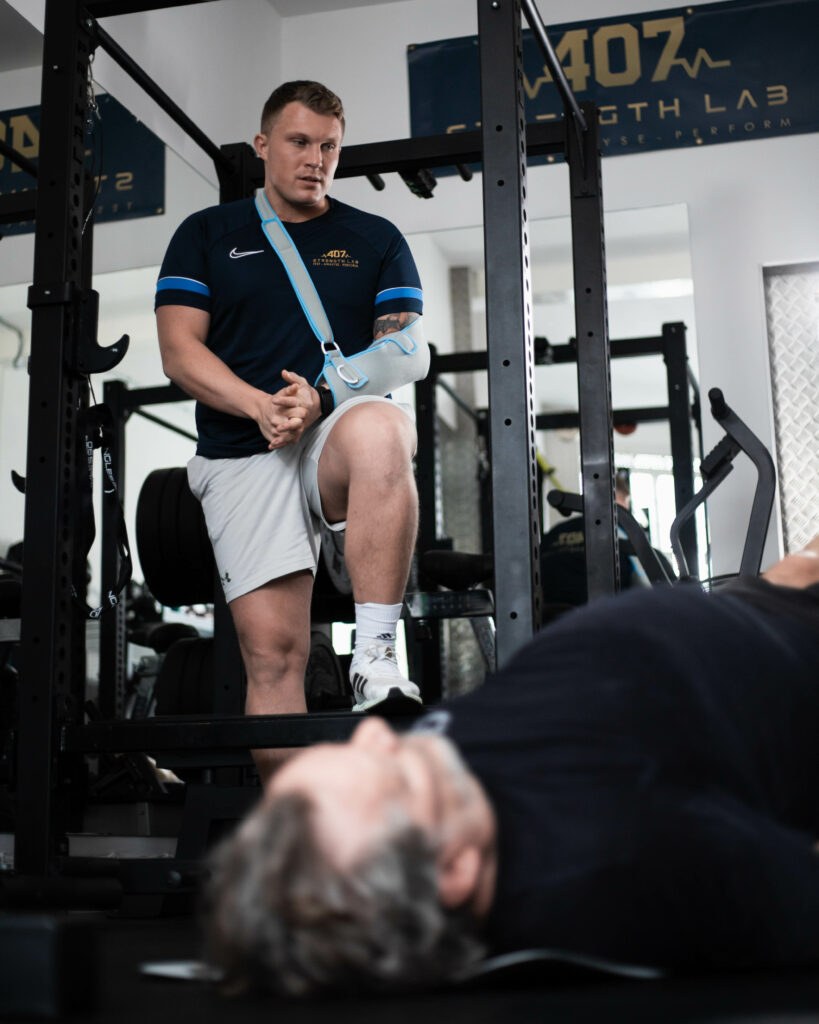
What are Skeletal Muscle Injuries?
Skeletal muscle injuries can range from minor strains to severe tears, impacting muscle function and mobility. Understanding the underlying mechanisms of muscle regeneration is essential for effective treatment and recovery.
Anatomy of Skeletal Muscle
Skeletal muscles are composed of muscle fibers bundled together by connective tissue. When injured, muscle fibers undergo a repair process involving inflammation, regeneration, and remodeling. However, severe injuries may lead to scar tissue formation and impaired function.
What Causes Skeletal Muscle Injuries?
1. Overexertion
Overexertion occurs when muscles are subjected to more stress or load than they can handle, resulting in strain or micro-tears in the muscle fibers. This often happens during intense physical activity, such as weightlifting, sprinting, or high-intensity interval training (HIIT). When muscles are pushed beyond their capacity, they become vulnerable to injury. Factors contributing to overexertion include inadequate rest between workouts, improper form or technique, and insufficient recovery time.
2. Trauma
Traumatic muscle injuries occur due to direct impact, sudden force, or external trauma to the muscle tissue. This can happen during sports-related collisions, falls, or accidents. The forceful impact can cause muscle tears, contusions (bruises), or even avulsions (complete detachment of the muscle from its attachment site). The severity of trauma-related muscle injuries varies depending on the intensity and nature of the impact. Athletes engaged in contact sports like football, rugby, or martial arts are particularly prone to traumatic muscle damages.
3. Poor Conditioning
Inadequate conditioning of muscles increases the risk of injury during physical activity. Poor conditioning can manifest in several ways:
- Inadequate Warm-up: Skipping or rushing through warm-up exercises deprives muscles of the preparation they need for the upcoming activity. A proper warm-up increases blood flow to the muscles, improves flexibility, and enhances joint mobility, reducing the risk of injury.
- Muscle Fatigue: Fatigued muscles are more susceptible to injury due to reduced strength, coordination, and proprioception (awareness of body position). Prolonged or intense exercise without adequate rest can lead to muscle fatigue, compromising their ability to withstand stress.
- Muscle Imbalances: Muscle imbalances occur when certain muscles are stronger or more developed than others, leading to disproportionate force distribution during movement. Weak muscles may be overpowered by their stronger counterparts, increasing the likelihood of injury. Imbalances often result from repetitive movements, poor posture, or unilateral training.
What Are the Risk Factors for Skeletal Muscle Injuries?
- Previous Injuries: Prior muscle injuries weaken the affected area, predisposing it to further damage.
- Age: Older individuals may experience decreased muscle flexibility and strength, increasing injury risk.
- Poor Technique: Incorrect form during exercises or sports activities can strain muscles and lead to injury.
Symptoms of Skeletal Muscle Injuries
- Pain: Localized discomfort or soreness in the injured muscle.
- Swelling: Inflammation and swelling around the affected area.
- Weakness: Reduced strength and functionality of the injured muscle.
- Bruising: Discoloration due to bleeding within the muscle tissue.
Rare symptoms may include severe muscle spasms, muscle loss, visible deformity, or loss of sensation in the affected area.
How Is Skeletal Muscle Injury Diagnosed?
Skeletal muscle injuries are typically diagnosed through a combination of history taking, clinical examination, and imaging studies such as MRI or ultrasound. During the clinical examination, the physician assesses range of motion, strength, and tenderness of the injured muscle to determine the extent of damage.
How Is Skeletal Muscle Injury Treated?
Common Treatment
- Rest: Giving the injured muscle adequate rest is crucial for initiating the healing process and preventing further damage. Avoiding activities that strain or aggravate the injury allows the muscle fibers to repair themselves.
- Ice Application: Applying ice packs to the injured area helps reduce swelling, inflammation, and pain. Cold therapy constricts blood vessels, slowing down blood flow to the injured area and numbing nerve endings, providing relief from discomfort.
- Stretching Exercises: Controlled stretching exercises are introduced gradually to improve muscle flexibility and range of motion. Stretching helps prevent the formation of scar tissue and promotes the alignment of muscle fibers during healing.
- Strengthening Exercises: Once the acute phase of the injury has passed, targeted strengthening exercises are incorporated to rebuild muscle strength and endurance. Physical therapists tailor exercise programs to address specific muscle imbalances and weaknesses, focusing on functional movements that mimic daily activities or sports-related tasks.
- Nonsteroidal Anti-Inflammatory Drugs (NSAIDs): NSAIDs such as ibuprofen or naproxen may be prescribed to alleviate pain and reduce inflammation associated with muscle injuries. These medications work by inhibiting the production of prostaglandins, which are chemicals involved in the inflammatory response.
Rare Treatment
- Surgery: In cases of severe muscle tears or avulsions where conservative measures are insufficient, surgical intervention may be necessary. Surgical repair aims to reattach torn muscle fibers, remove damaged tissue, or reconstruct the muscle-tendon unit. This procedure is typically reserved for significant injuries that impair muscle function and mobility.
- Massage Therapy: Soft tissue massage techniques can help improve blood circulation, reduce muscle tension, and promote healing of injured muscles.
- Electrotherapy: Modalities such as ultrasound, electrical stimulation, or laser therapy may be used to enhance tissue repair, reduce pain, and improve muscle function.
- Bracing or Taping: External supports such as braces or kinesiology tape may be applied to provide stability, reduce strain on the injured muscle, and facilitate proper movement patterns during rehabilitation.
It’s important for individuals recovering from skeletal muscle injuries to follow their healthcare provider’s recommendations and adhere to the prescribed treatment plan. Consistency with rehabilitation exercises, proper rest, and close monitoring of symptoms are essential for achieving optimal recovery and restoring muscle function.
Skeletal Muscle Injuries Regeneration Strategies
Skeletal muscle regeneration strategies encompass a multifaceted approach aimed at optimizing the body’s natural healing processes to facilitate the repair and regeneration of injured muscle tissue. These strategies involve various interventions, including therapeutic exercises, nutrition, rest, and medical interventions, tailored to promote efficient recovery and minimize the risk of complications.
1. Therapeutic Exercises
Therapeutic exercises play a central role in promoting muscle regeneration post-injury. These exercises are designed to improve muscle strength, flexibility, and function while minimizing the risk of reinjury. Therapists prescribe a combination of stretching, strengthening, and functional exercises to restore optimal muscle biomechanics and movement patterns. Progressive resistance training is often incorporated to gradually load the healing muscle tissue and stimulate the formation of new muscle fibers.
2. Nutrition and Hydration
Proper nutrition is essential for supporting muscle regeneration and repair. Adequate intake of protein, vitamins, and minerals provides the building blocks necessary for tissue synthesis and remodeling. Protein-rich foods such as lean meats, fish, eggs, and dairy products supply essential amino acids required for muscle protein synthesis. Hydration is also crucial for maintaining optimal cellular function and facilitating nutrient delivery to injured tissues. Drinking sufficient water and electrolyte-rich fluids supports hydration and aids in the removal of metabolic waste products from the healing muscle tissue.
3. Rest and Recovery
Rest is a critical component of the muscle regeneration process, allowing injured tissues to heal without undue stress or strain. Adequate rest periods between exercise sessions prevent overtraining and promote tissue repair. Incorporating restorative practices such as sleep hygiene, stress management, and relaxation techniques enhances the body’s ability to regenerate damaged muscle fibers. Additionally, avoiding activities that exacerbate pain or inflammation during the acute phase of injury promotes optimal healing and prevents further tissue damage.
4. Medical Interventions
In cases of severe muscle injuries or complications, medical interventions may be necessary to support the regeneration process. These interventions may include:
- Physical Therapy: Guided rehabilitation under the supervision of a physical therapist helps optimize recovery, restore function, and prevent long-term disability.
- Medication: Nonsteroidal anti-inflammatory drugs (NSAIDs) or analgesics may be prescribed to manage pain and reduce inflammation during the acute phase of injury.
- Regenerative Therapies: Emerging regenerative medicine approaches such as platelet-rich plasma (PRP) therapy, stem cell therapy, or growth factor injections may be utilized to enhance tissue healing and promote muscle regeneration in refractory cases.
5. Gradual Return to Activity
As the injured muscle tissue heals and regenerates, a gradual return to activity is essential to prevent reinjury and promote long-term musculoskeletal health. Progressive loading and conditioning programs gradually reintroduce functional movements, sports-specific activities, and higher intensity exercises while monitoring for signs of pain or dysfunction. Close communication with healthcare providers ensures that the rehabilitation program is tailored to the individual’s unique needs and goals.
All in all, Skeletal Muscle Injuries Regeneration Strategies encompass a comprehensive approach to promote efficient tissue repair and regeneration following muscle injury. By integrating therapeutic exercises, nutrition, rest, medical interventions, and gradual return to activity, individuals can optimize their recovery outcomes and regain optimal muscle function and performance.
Potential Complications of Skeletal Muscle Injuries
- Muscle Weakness: Incomplete healing or scar tissue formation may result in reduced muscle strength.
- Chronic Pain: Persistent inflammation and nerve irritation can lead to long-term pain.
- Recurrent Injuries: Insufficient rehabilitation increases the risk of reinjury and chronic muscle problems.
How Can You Prevent Skeletal Muscle Injuries?
- Proper Warm-up: Dynamic stretching and light aerobic activity prepare muscles for exercise.
- Gradual Progression: Avoid sudden increases in intensity or duration of physical activity.
- Cross-Training: Incorporate a variety of exercises to prevent overuse injuries and muscle imbalances.
How to Work Out with Skeletal Muscle Injuries
Focus on low-impact exercises that don’t exacerbate the injury, such as swimming or cycling. Strengthen surrounding muscles to support the injured area and prevent further strain.
How to Manage Skeletal Muscle Injuries
Follow a structured rehabilitation program prescribed by a healthcare professional. Consistency with exercises, rest, and proper nutrition is essential for optimal recovery.
When Should I Go to the Doctor?
Seek medical attention if you experience severe pain, inability to bear weight, or persistent swelling. Early intervention improves outcomes and reduces the risk of complications.
Frequently Asked Questions
Below are answers to some of the most frequently asked questions on skeletal muscle injuries.
I noticed swelling and bruising after exercise. Should I get it checked up?
Yes, swelling and bruising may indicate a muscle injury that requires medical evaluation to determine the extent of damage and appropriate treatment.
What exercises help with my muscle injury?
Consult with a physical therapist for personalized exercises that promote healing and prevent further injury.
How often do I need to do exercises?
Follow the prescribed exercise regimen recommended by your healthcare provider, typically several times per week with gradual progression.
How did I get a muscle injury?
Muscle injuries can occur due to overexertion, trauma, or inadequate conditioning during physical activity.
Is it OK to walk/run with a muscle injury?
Avoid activities that aggravate the injury and follow your doctor’s guidance on when it’s safe to resume normal activities.
How long will a muscle injury last?
Recovery time depends on the severity of the injury and adherence to treatment recommendations. Most muscle injuries heal within a few weeks with proper care.
In summary, understanding the mechanisms of skeletal muscle injuries and implementing effective strategies for regeneration is essential for athletes and fitness enthusiasts alike. By prioritizing proper warm-up, gradual progression, and targeted rehabilitation, individuals can optimize muscle recovery and minimize the risk of future injuries. Remember to consult with a healthcare professional for personalized guidance and treatment recommendations tailored to your specific needs.