
Overuse injuries are a prevalent issue, especially among young athletes, that can significantly impact sports participation and performance. Understanding these injuries is crucial for prevention and proper management. This article delves into the world of overuse injuries in sport, shedding light on what they are, their causes, symptoms, and how to prevent and manage them effectively.
What is an Overuse Injury?
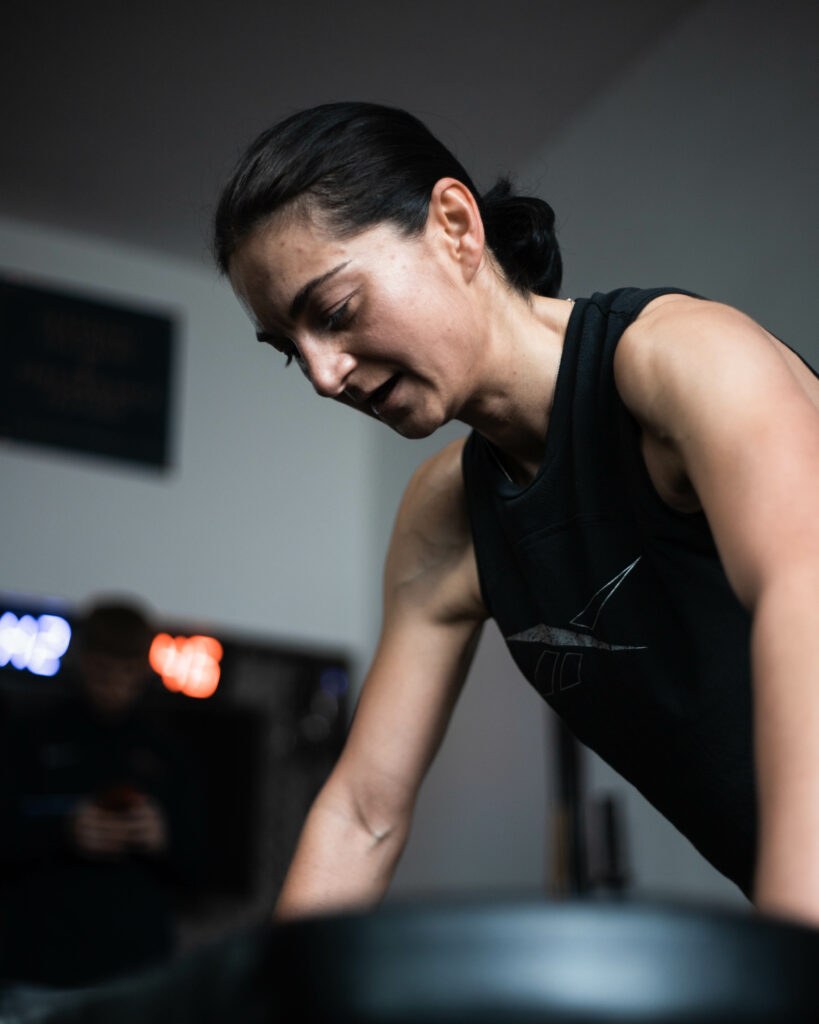
Overuse injuries occur due to repetitive stress on muscles, tendons, ligaments, and bones without adequate rest and recovery. These injuries are commonly seen in athletes who play one sport year-round or engage in intense training and competition without enough time to heal. They often occur gradually over time and can affect performance and overall well-being.
Common Overuse Injuries in Young Athletes
Young athletes are particularly susceptible to overuse injuries due to their growing bodies and intense sports participation. Some common overuse injuries include tendonitis, stress fractures, patellar tendonitis (jumper’s knee), and osteochondritis dissecans. These injuries can affect various parts of the body, such as the knee, heel, and achilles tendon.
Anatomy of Tendons and Ligaments
Tendons connect muscles to bones, while ligaments connect bones to other bones. In overuse injuries, these structures are often overstretched or inflamed due to repetitive stress. For instance, patellar tendonitis affects the patellar tendon in the knee, leading to pain and swelling. Understanding the anatomy of these structures helps in diagnosing and treating overuse injuries effectively.
What Causes Overuse Injuries?
Overuse injuries arise from the cumulative effect of repetitive stress on the body’s tissues, especially when they aren’t given adequate time to repair and recover. This stress can occur due to various factors and habits that young athletes might not even realize are contributing to their injuries.
Repetitive Movements
Repeatedly performing the same motion, such as swinging a tennis racket or running long distances, can strain specific muscles, tendons, or ligaments. Over time, this can lead to microscopic tears and inflammation, resulting in sports injuries like runner’s knee, tennis elbow, or Achilles tendinitis. These injuries often start as mild discomfort but can escalate into more severe pain and limitations in movement if not addressed.
Insufficient Recovery
Rest and recovery are crucial components of any training regimen. Without adequate rest between workouts or competitions, the body doesn’t have the time it needs to repair and strengthen itself. Over time, this can lead to a breakdown in the affected tissues and increase the risk of overuse injuries. It’s essential to prioritize rest days, incorporate active recovery techniques, and listen to the body’s signals for fatigue or pain to prevent overtraining and promote healing.
Overtraining
Overtraining occurs when athletes push themselves too hard or too fast without proper conditioning or rest periods. This can lead to a variety of overuse injuries as the body struggles to cope with the excessive demands placed upon it. Symptoms of overtraining include persistent fatigue, decreased performance, increased susceptibility to illness, and chronic injuries. It’s crucial to strike a balance between training intensity, duration, and recovery to avoid overtraining and its associated risks.
In addition to these primary causes, factors like improper technique, inadequate equipment, poor biomechanics, and even nutritional deficiencies can contribute to overuse injuries. Understanding these underlying causes and addressing them early on can help young athletes prevent overuse injuries and maintain their long-term health and performance.
Risk Factors for Overuse Injuries
- Young Athlete: Young athletes are at a higher risk due to their growing bodies and intense sports participation.
- Playing one sport year-round: Specializing in one sport without cross-training can increase the risk of overuse injuries.
- Inadequate rest and recovery: Not allowing the body enough time to heal between activities can lead to overuse injuries.
Symptoms of Overuse Injuries
Common Symptoms:
- Pain and swelling in the affected area
- Limited range of motion
- Stiffness and soreness
Rare Symptoms:
- Numbness or tingling
- Weakness in the affected area
- Difficulty performing daily activities
Diagnosis of Overuse Injuries
Overuse injuries are often diagnosed based on clinical examination, patient history, and imaging studies such as X-rays or MRI scans. A sports medicine physician or orthopedic specialist can assess the severity of the injury and recommend appropriate treatment options.
Treatment of Overuse Injuries
When it comes to treating overuse injuries, the approach typically involves a combination of rest, rehabilitation, and sometimes medication to alleviate symptoms and promote healing.
Common Treatment
Rest and Ice (RICE Protocol)
The initial treatment for most overuse injuries involves the RICE protocol, which stands for Rest, Ice, Compression, and Elevation.
- Rest: Taking a break from the activity that caused the injury allows the affected tissues to heal. It’s essential to avoid putting additional stress on the injured area to prevent further damage.
- Ice: Applying ice to the injured area can help reduce pain and inflammation. Cold therapy constricts blood vessels, which reduces swelling and numbs the area, providing temporary relief from pain. It’s recommended to apply ice for 15-20 minutes every 2-3 hours initially, gradually reducing the frequency as symptoms improve.
- Compression: Wrapping the injured area with a compression bandage can help reduce swelling and provide support to the affected tissues. It’s important not to wrap too tightly, as this can restrict blood flow and cause additional problems.
- Elevation: Elevating the injured limb or area above the level of the heart can help reduce swelling by allowing excess fluid to drain away from the injury site. This is particularly beneficial for injuries to the lower extremities, such as ankle or knee injuries.
Physical Therapy
Physical therapy plays a crucial role in the rehabilitation of overuse injuries. A physical therapist can design a personalized exercise program to strengthen the affected muscles and improve flexibility and range of motion.
- Strengthening Exercises: Targeted exercises can help strengthen the muscles around the injured area, providing better support and stability.
- Flexibility Exercises: Stretching exercises can help improve flexibility and reduce muscle tension, which can alleviate pain and prevent future injuries.
- Functional Training: Functional exercises mimic movements and activities specific to the sport or activity, helping athletes return to their pre-injury level of performance safely and effectively.
Medication
In some cases, over-the-counter pain relievers or anti-inflammatory medications may be prescribed to manage pain and swelling associated with overuse injuries.
- Pain Relievers: Over-the-counter medications like acetaminophen or ibuprofen can help alleviate pain and discomfort. It’s essential to follow the recommended dosage and consult a healthcare professional before taking any medication, especially if there are other underlying health conditions or allergies.
- Anti-inflammatory Medications: Non-steroidal anti-inflammatory drugs (NSAIDs) like ibuprofen or naproxen can help reduce inflammation and swelling associated with overuse injuries. However, these medications should be used with caution and under medical supervision, as they can have side effects and interact with other medications.
Rare Treatment
While the common treatments for overuse injuries like rest, physical therapy, and medication are effective for most cases, there are some rare treatment options that may be considered for specific situations or more severe injuries. These treatments are less commonly used but can be beneficial in certain circumstances.
Platelet-Rich Plasma (PRP) Therapy
Platelet-rich plasma (PRP) therapy is a cutting-edge treatment that involves injecting a concentrated solution of the patient’s own platelets into the injured area. The platelets contain growth factors and proteins that can stimulate healing and reduce inflammation.
- How it works: A small amount of blood is drawn from the patient and processed to isolate the platelets. The concentrated platelet-rich plasma is then injected into the injured tendon, ligament, or muscle under ultrasound guidance to ensure precise placement.
- Benefits: PRP therapy can accelerate the healing process, reduce pain, and improve function in some cases of chronic or severe overuse injuries that haven’t responded to conventional treatments. It’s particularly beneficial for conditions like chronic tendonitis or degenerative joint disease.
Extracorporeal Shock Wave Therapy (ESWT)
Extracorporeal shock wave therapy (ESWT) is a non-invasive treatment that uses shock waves to stimulate healing in injured tissues.
- How it works: During the procedure, shock waves are delivered to the injured area using a device that sends high-energy pulses. The shock waves promote increased blood flow, tissue regeneration, and pain relief.
- Benefits: ESWT can be effective for chronic overuse injuries like plantar fasciitis, Achilles tendinopathy, or tennis elbow that haven’t responded to other treatments. It’s a minimally invasive option that can provide long-lasting relief without the need for surgery.
Surgery
In rare cases, surgical intervention may be necessary to repair or reconstruct damaged tissues in severe or chronic overuse injuries that haven’t improved with conservative treatments.
- Types of Surgery: Depending on the location and severity of the injury, various surgical procedures may be performed, such as tendon repair, ligament reconstruction, or arthroscopic surgery to remove damaged tissue.
- Recovery: Recovery from surgery varies depending on the type and extent of the procedure but generally involves a period of immobilization, followed by physical therapy to restore strength, flexibility, and function.
Complications of Overuse Injuries
Frequent Complications:
- Chronic pain and disability
- Reduced sports performance
- Long-term damage to tendons, ligaments, or bones
Occasional Complications:
- Stress fractures
- Osteochondritis dissecans
- Growth plate injuries in children and adolescents
Prevention and Management of Overuse Injuries
- Cross-Training: Engage in a variety of sports and activities to prevent overuse injuries.
- Proper Conditioning: Gradually increase intensity and duration of workouts to build strength and endurance.
- Listen to Your Body: Pay attention to signs of pain or discomfort and adjust your activities accordingly.
When Should I Go to the Doctor?
If you experience persistent pain, swelling, or limited range of motion, it’s important to consult a sports medicine physician or orthopedic specialist as soon as possible. Early diagnosis and treatment can help prevent complications and speed up recovery.
Frequently Asked Questions
Here are answers to some of the most frequently asked questions on overuse injuries.
I noticed pain and swelling. Should I get it checked up?
Yes, it’s important to consult a doctor for proper diagnosis and treatment.
What exercises help with my overuse injury?
Physical therapy exercises tailored to your specific injury can help strengthen and rehabilitate the affected area.
How often do I need to do exercises?
Follow your doctor’s or physical therapist’s recommendations for the frequency and intensity of exercises.
How did I get this overuse injury?
Overuse injuries often occur due to repetitive stress on the body without sufficient rest and recovery.
Is it OK to walk/run with an overuse injury?
Consult your doctor before resuming any physical activity to ensure it’s safe for your condition.
How long will this overuse injury last?
Recovery time varies depending on the severity of the injury and adherence to treatment recommendations.