
Are you an athlete who regularly engages in throwing sports like baseball or javelin? Then you know the strain that repetitive throwing can put on your shoulders. In this article, we delve into the world of shoulder injuries in throwing athletes, exploring the anatomy, causes, symptoms, diagnosis, treatment, and prevention strategies for these common sports-related injuries.
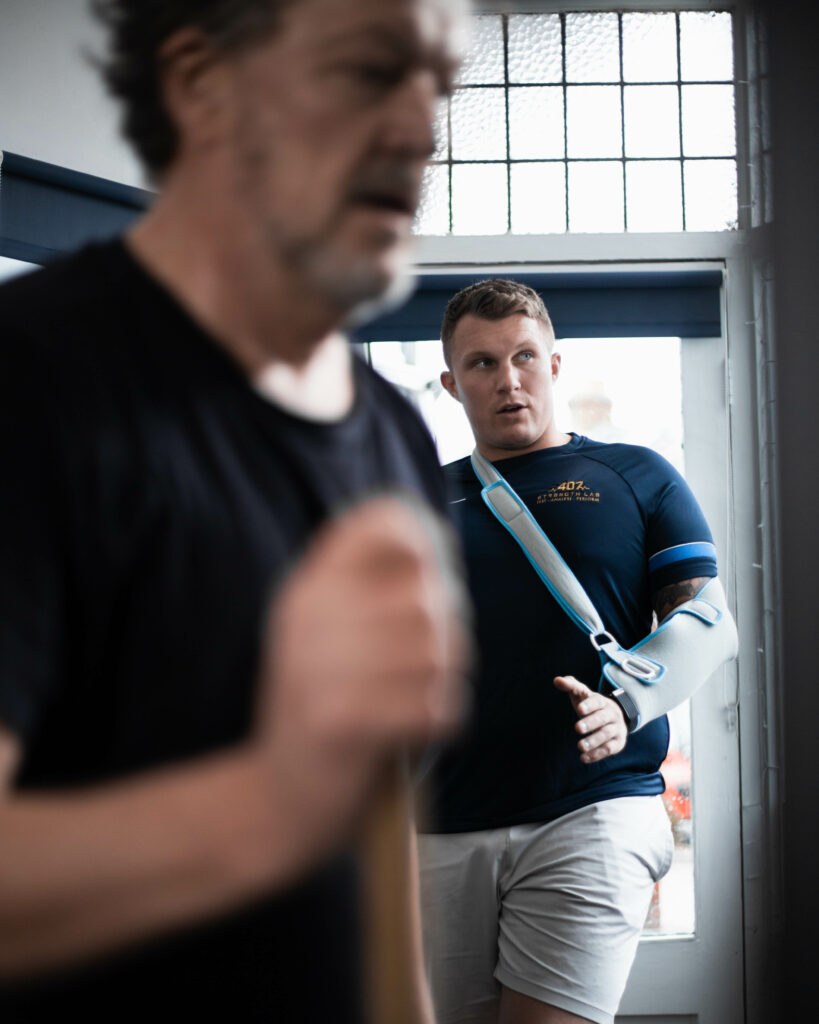
What is the “Thrower’s Shoulder” condition?
Thrower’s shoulder refers to a spectrum of injuries affecting the shoulder joint due to the high stresses placed on it during repetitive throwing motions.
Anatomy of the Shoulder Joint
The shoulder joint comprises the humerus (upper arm bone), scapula (shoulder blade), and clavicle (collarbone), held together by muscles, tendons, and ligaments. In throwers, the rotator cuff, labrum, and surrounding musculature are particularly prone to injury due to the repetitive stress of overhead throwing.
What Causes Shoulder Injuries in Throwing Athletes?
- Repetitive Stress: Throwers subject their shoulders to extreme forces with each throw, which over time can lead to wear and tear on the muscles, tendons, and ligaments surrounding the shoulder joint. The repetitive nature of throwing, especially in sports like baseball or javelin where athletes may perform hundreds of throws in a single session, amplifies this stress. The constant overhead motion combined with the high velocity of the throw can cause microtrauma to the tissues, leading to inflammation, degeneration, and eventually injury if not managed properly.
- Poor Mechanics: Proper throwing mechanics are crucial for distributing forces evenly throughout the shoulder joint and reducing the risk of injury. When a thrower has poor mechanics, certain muscles may become overworked while others are underutilized, leading to imbalances and increased stress on specific structures within the shoulder. For example, if a pitcher consistently throws with improper arm positioning or fails to engage their core muscles effectively, it can place excessive strain on the rotator cuff tendons or the labrum, increasing the likelihood of injury. Additionally, poor mechanics can alter the biomechanics of the shoulder joint, leading to abnormal movement patterns that further contribute to tissue damage over time. Therefore, addressing and correcting throwing mechanics through proper coaching and training is essential for injury prevention in throwing athletes.
Risk Factors for Thrower’s Shoulder
- Overtraining: Engaging in excessive throwing without adequate rest increases the risk of shoulder injuries.
- Poor Conditioning: Weakness or imbalance in shoulder muscles can predispose athletes to injury.
Symptoms of Thrower’s Shoulder
Common Symptoms:
- Shoulder pain during or after throwing
- Decreased throwing velocity or accuracy
- Limited range of motion in the shoulder
Rare Symptoms:
- Sharp pain in the upper arm
- Sensation of instability in the shoulder joint
Diagnosis of Thrower’s Shoulder
Thrower’s shoulder can be diagnosed through a combination of clinical examination and imaging studies such as MRI or ultrasound. During the examination, the physician or sports medicine doctor will assess range of motion, strength, and stability of the shoulder joint.
Treatment of Thrower’s Shoulder
Common Treatments
- Rest and Ice: Resting the shoulder allows the injured tissues to heal while reducing inflammation and pain. Applying ice to the affected area helps constrict blood vessels, decreasing blood flow and minimizing swelling.
- Physical Therapy: A structured physical therapy program plays a crucial role in rehabilitating thrower’s shoulder. Physical therapists employ various exercises and techniques to strengthen the rotator cuff muscles, improve shoulder range of motion, and enhance overall shoulder stability. These exercises may include internal and external rotation exercises, scapular stabilization exercises, and stretching routines tailored to the individual athlete’s needs. Additionally, therapists may utilize modalities such as ultrasound or electrical stimulation to further aid in the healing process.
- Anti-inflammatory Medications: Nonsteroidal anti-inflammatory drugs (NSAIDs) like ibuprofen or naproxen may be prescribed to manage pain and reduce inflammation associated with thrower’s shoulder. These medications can help alleviate discomfort and facilitate participation in physical therapy exercises.
Rare Treatments
- Corticosteroid Injections: In cases where conservative treatments fail to provide adequate relief, corticosteroid injections may be considered. These injections deliver powerful anti-inflammatory medication directly into the affected area, providing temporary pain relief and reducing inflammation. However, corticosteroid injections are typically reserved for short-term symptom management due to potential side effects such as tendon weakening or joint damage with repeated use.
- Surgery: Surgical intervention may be necessary for severe cases of thrower’s shoulder, particularly if there is significant damage to the rotator cuff or labrum. Surgical procedures may include rotator cuff repair, labral repair, or decompression surgery to alleviate impingement. The goal of surgery is to address structural abnormalities, restore normal shoulder mechanics, and promote long-term shoulder health. Following surgery, a comprehensive rehabilitation program is essential to optimize outcomes and facilitate a safe return to throwing activities.
Complications of Thrower’s Shoulder
Frequent Complications:
- Rotator cuff tears
- Labral tears
- Shoulder instability
Occasional Complications:
- Nerve compression
- Frozen shoulder
Prevention of Thrower’s Shoulder
To prevent thrower’s shoulder, athletes should:
- Ensure proper throwing mechanics
- Gradually increase throwing intensity and volume
- Incorporate shoulder strengthening exercises into their training regimen
How to Work Out with Thrower’s Shoulder
While recovering from thrower’s shoulder, athletes can focus on exercises that strengthen the muscles around the shoulder joint, such as rotator cuff exercises and scapular stabilization exercises. Low-impact activities like swimming or cycling can also help maintain cardiovascular fitness without exacerbating shoulder pain.
Managing Thrower’s Shoulder
Proper management of thrower’s shoulder involves:
- Following a structured rehabilitation program prescribed by a physical therapist
- Communicating with coaches and trainers about any pain or limitations
- Gradually returning to throwing activities under guidance from healthcare professionals
When to See a Doctor
If you experience persistent shoulder pain or notice a decline in throwing performance, it’s important to consult a doctor promptly. Early intervention can prevent worsening of symptoms and expedite recovery.
Frequently Asked Questions
Below are answers to some of the most frequently asked questions on shoulder injuries.
I noticed shoulder pain during throwing. Should I get it checked up?
Yes, shoulder pain during throwing can indicate an underlying injury that should be evaluated by a medical professional.
What exercises help with thrower’s shoulder?
Exercises that strengthen the rotator cuff and improve shoulder stability are beneficial for managing thrower’s shoulder.
How often do I need to do exercises?
Consistency is key. Aim to perform shoulder strengthening exercises at least 2-3 times per week for optimal results.
How did I get thrower’s shoulder?
Thrower’s shoulder is typically caused by the repetitive stress of overhead throwing motions, coupled with poor throwing mechanics or inadequate conditioning.
Is it OK to walk/run with thrower’s shoulder?
Low-impact activities like walking or running are generally safe with thrower’s shoulder, but it’s important to avoid activities that exacerbate shoulder pain.
How long will thrower’s shoulder last?
The duration of thrower’s shoulder depends on the severity of the injury and adherence to treatment and rehabilitation protocols. With proper care, many athletes can recover within a few weeks to months.
In conclusion, understanding the mechanics, symptoms, diagnosis, treatment, and prevention of thrower’s shoulder is essential for athletes who engage in throwing sports. By implementing proper training techniques and seeking timely medical attention, athletes can minimize the risk of shoulder injuries and optimize their performance on the field.