
Are you an athlete struggling with knee pain or facing a sports-related knee injury? Our comprehensive guide offers insights into understanding, managing, and recovering from knee trauma. From the anatomy of the knee joint to treatment options and prevention strategies, we’ve got you covered with expert advice tailored to your needs.
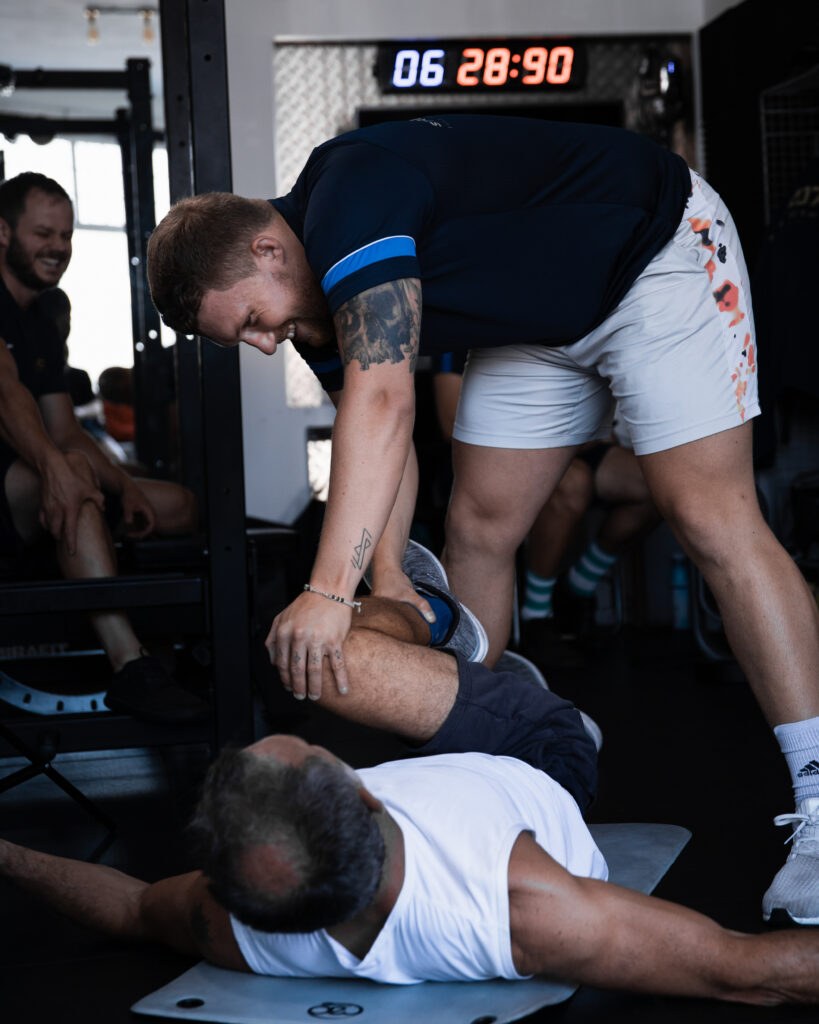
What is a Sports-Related Knee Injury?
A sports-related knee injury refers to any damage or trauma affecting the knee joint due to athletic activities. These injuries can range from minor strains to severe ligament tears or fractures, impacting an athlete’s performance and overall well-being.
Anatomy of the Knee Joint
The knee joint is a complex structure comprising bones, ligaments, tendons, cartilage, and muscles, allowing for stability and movement. Common injuries involve the anterior cruciate ligament (ACL), meniscus, and patellar tendon, affecting the knee’s function and mobility.
Causes of Sports-Related Knee Injuries
Sports-related knee injuries can occur due to various factors, with two primary causes being sudden impact or trauma and overuse or repetitive stress on the knee joint.
1. Sudden Impact or Trauma
- Direct Blows: A sudden collision or impact, common in contact sports like football or rugby, can result in significant force being exerted on the knee joint. This force can lead to ligament tears, such as ACL or PCL tears, or fractures of the bones surrounding the knee.
- Falls: Trips or falls during athletic activities can also cause trauma to the knee. Landing awkwardly or on a flexed knee can result in ligament sprains or meniscal tears, particularly if the knee twists during the fall.
2. Overuse or Repetitive Stress
- Repetitive Jumping: Sports that involve frequent jumping, such as basketball or volleyball, can place repetitive stress on the knee joint. This repetitive impact may lead to conditions like patellar tendonitis (jumper’s knee), where the tendon connecting the kneecap to the shin becomes inflamed and painful.
- Running: Long-distance running or activities that involve repetitive knee flexion, like jogging or running, can contribute to overuse injuries. Continuous pounding on hard surfaces can result in stress fractures or inflammation of the knee joint, known as runner’s knee.
In cases of overuse and trauma, the knee joint is subjected to forces beyond its normal capacity, leading to tissue damage and injury. Understanding these causes can help athletes take preventive measures and modify their training regimen to minimize the risk of knee trauma. Incorporating proper warm-up routines, using protective equipment, and listening to the body’s signals to avoid overexertion are essential strategies in preventing sports-related knee injuries.
Risk Factors and Symptoms
Risk Factors for Sports-Related Knee Injuries
- Previous injury: Athletes with a history of knee injuries are more susceptible to recurring issues.
- Poor conditioning: Inadequate strength or flexibility increases the risk of knee trauma during physical exertion.
Common Symptoms of Knee Injuries
- Pain and swelling around the knee joint
- Instability or weakness while bearing weight
- Limited range of motion and difficulty bending or straightening the knee
Rare Symptoms
- Numbness or tingling sensations in the affected leg
- Visible deformity or abnormal swelling indicating a severe injury
Diagnosing Knee Injuries
Doctors typically conduct a physical examination to assess the knee’s stability, range of motion, and signs of injury. Imaging tests such as X-rays, MRI, or CT scans may be ordered to visualize internal structures and confirm the diagnosis.
Treatment Options
Common Treatment
1. Rest and Ice
- Rest: Giving the injured knee adequate rest is crucial for the initial phase of healing. This allows the damaged tissues to repair and reduces the risk of further injury.
- Ice Packs: Applying ice packs to the injured knee helps constrict blood vessels, reducing blood flow and inflammation. Ice therapy also numbs the area, alleviating pain and discomfort. It’s essential to use ice packs for 15-20 minutes at a time, several times a day, during the acute phase of injury.
2. Physical Therapy
- Rehabilitation Exercises: A physical therapist designs a customized exercise program tailored to the individual’s specific injury and stage of recovery. These exercises focus on strengthening the muscles surrounding the knee, improving flexibility, and restoring range of motion.
- Modalities: Physical therapy may also incorporate modalities such as ultrasound, electrical stimulation, or therapeutic massage to reduce pain and promote tissue healing.
- Progressive Loading: As the knee heals, the intensity and complexity of exercises gradually increase to challenge the muscles and improve functional capacity.
3. Bracing or Splinting
- Knee Brace: Depending on the type and severity of the injury, wearing a knee brace may provide additional support and stability during daily activities or sports participation. Knee braces come in various designs, including sleeves, straps, and hinged braces, offering different levels of support and protection.
- Splinting: In cases of severe ligament injuries or fractures, a splint or immobilizer may be used to restrict movement and prevent further damage. These devices help stabilize the knee joint while allowing for controlled movement during the early stages of recovery.
Rare Treatment
4. Surgical Intervention
- ACL Reconstruction: For complete ACL tears or significant ligament damage, surgical reconstruction may be necessary to restore knee stability and function. During ACL reconstruction surgery, a graft (tissue harvested from another part of the body or a donor) is used to replace the torn ligament, providing stability to the knee joint.
- Fracture Repair: Complex fractures involving the knee joint may require surgical fixation to realign and stabilize the bones. This may involve the use of screws, plates, or rods to hold the fractured segments in place while they heal.
- Meniscal Repair: In cases of meniscal tears, particularly those affecting the inner, vascularized portion of the meniscus, surgical repair or trimming (partial meniscectomy) may be performed to address the tear and preserve knee function.
These treatment options aim to alleviate pain, restore function, and facilitate a safe return to sports or physical activities. It’s essential to consult with a healthcare professional, such as an orthopedic surgeon or physical therapist, to determine the most appropriate course of treatment based on the specific injury and individual needs.
Potential Complications
Frequent Complications
- Chronic pain and stiffness limiting mobility
- Increased risk of osteoarthritis due to joint damage
Occasional Complications
- Infection following surgery or invasive procedures
- Nerve or blood vessel injuries during surgical interventions
Preventing Knee Injuries
- Warm-up and stretching exercises before sports activities
- Using proper technique and protective gear, such as knee braces or supportive footwear
Managing Knee Trauma
- Adhering to prescribed treatment plans and attending follow-up appointments
- Gradually reintroducing physical activity under medical supervision to prevent re-injury
When to Seek Medical Attention
If you experience persistent or severe knee pain, swelling, or instability, it’s crucial to seek medical evaluation promptly. Early diagnosis and treatment can prevent further complications and facilitate a faster recovery.
Frequently Asked Questions
Here are answers to some of the most frequently asked questions on sports-related knee injury.
Should I get knee pain checked up?
Yes, any persistent or worsening knee pain warrants medical evaluation to determine the underlying cause and appropriate treatment.
What exercises help with knee injuries?
Low-impact activities like swimming or cycling can aid in strengthening the muscles around the knee without excessive strain.
How often do I need to do exercises?
Follow your physical therapist’s recommendations for the frequency and intensity of exercises based on your injury and recovery progress.
How did I get a knee injury?
Knee injuries often result from sudden twists, falls, or overuse during sports activities, leading to ligament tears, tendonitis, or cartilage damage.
Is it OK to walk/run with a knee injury?
It’s best to avoid high-impact activities until the injury has healed to prevent exacerbating symptoms or causing further damage.
How long will a knee injury last?
The duration of recovery depends on the severity of the injury and adherence to treatment. With proper care and rehabilitation, many knee injuries can resolve within a few weeks to months.
In conclusion, understanding the causes, symptoms, and treatment options for sports-related knee injuries empowers athletes to take proactive measures in managing their condition and preventing future injuries. By prioritizing proper rest, rehabilitation, and preventive strategies, individuals can safeguard their knee health and optimize sports performance.