
Calcific tendinopathy, also known as calcific tendinitis or calcific tendonitis, is a condition characterized by the formation of calcium deposits (calcification) within the tendons, most commonly affecting the rotator cuff tendons in the shoulder. Our team of experts delves into the intricacies of this condition to provide a comprehensive understanding of its symptoms, causes, diagnosis, treatment options, and management techniques.
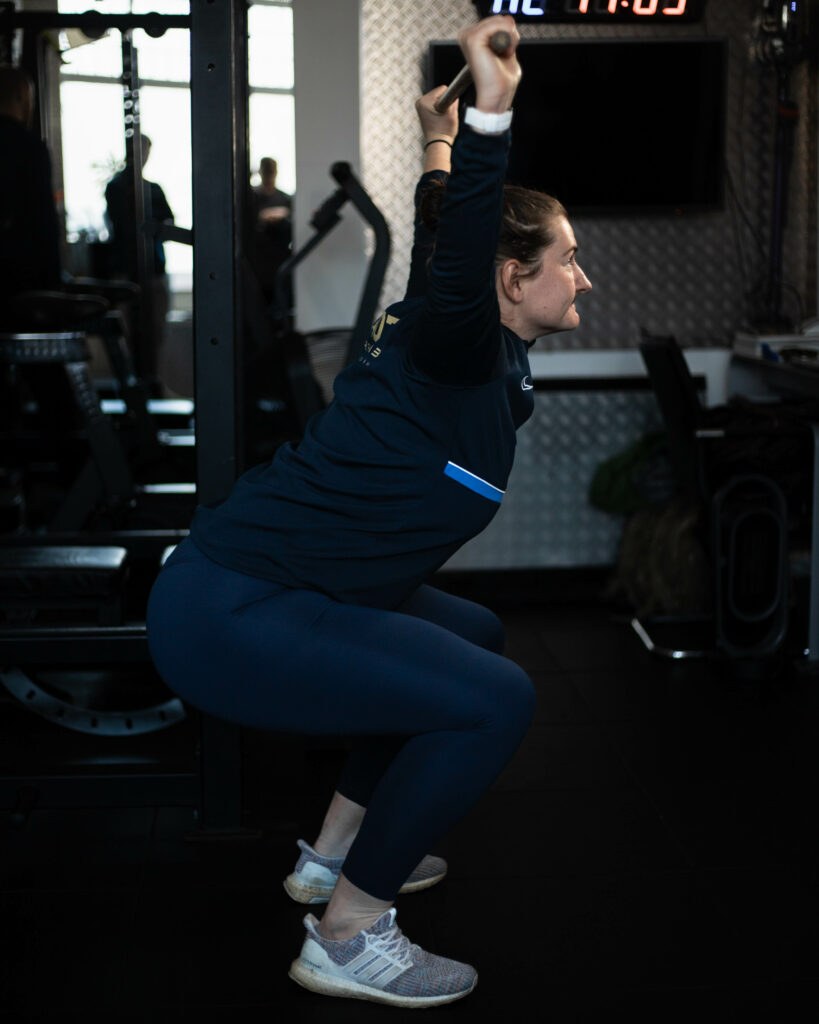
What is Calcific Tendinopathy of The Shoulder?
Calcific tendinopathy occurs when there is a calcific deposit within the tendons, particularly in the rotator cuff tendons of the shoulder. These deposits can cause pain and discomfort, affecting the normal function of the affected tendon.
Anatomy of the Rotator Cuff
The rotator cuff is composed of a group of tendons and muscles that surround the shoulder joint, providing stability and facilitating various arm movements. When calcium deposits form within these tendons, it can lead to inflammation and irritation, resulting in calcific tendinopathy.
What Causes Calcific Tendinopathy?
Calcific tendinopathy, while its exact cause is not fully understood, is believed to arise from a combination of factors. Understanding these factors can shed light on why certain individuals develop this condition. Let’s delve deeper into the potential causes:
1. Degenerative Changes:
- Wear and Tear: Tendons are subjected to repetitive stress and strain over time, especially in individuals engaged in activities involving repetitive movements or overhead motions. This chronic stress can lead to microtrauma and degeneration of the tendon tissue.
- Microtears: As tendons undergo repetitive stress, microscopic tears may occur within the tendon structure. These microtears can trigger an inflammatory response, leading to the deposition of calcium within the tendon tissue as part of the healing process. Over time, these calcium deposits can accumulate and contribute to the development of calcific tendinopathy.
2. Metabolic Factors:
- Thyroid Disorders: Conditions such as hyperthyroidism or hypothyroidism, which affect thyroid hormone levels, have been associated with an increased risk of calcific tendinopathy. Thyroid hormones play a crucial role in regulating metabolism and tissue repair processes, and imbalances in these hormones may disrupt normal tendon metabolism and healing mechanisms.
- Diabetes: Individuals with diabetes mellitus, especially poorly controlled diabetes, may be more prone to developing calcific tendinopathy. Diabetes can affect tendon health by impairing blood flow, altering collagen structure, and promoting inflammation, all of which may contribute to the formation of calcium deposits within the tendons.
In summary, calcific tendinopathy is a multifactorial condition influenced by a combination of degenerative changes, metabolic factors, and inflammatory processes. By understanding these underlying mechanisms, healthcare professionals can tailor treatment approaches to address the specific contributing factors in each individual case, ultimately improving outcomes and reducing the burden of this debilitating condition.
What are the Symptoms of Calcific Tendinopathy?
Common Symptoms:
- Shoulder pain, especially with movement or pressure on the affected area.
- Limited range of motion in the shoulder joint (frozen shoulder).
- Tenderness and swelling around the affected tendon.
Rare Symptoms:
- Radiating pain down the arm.
- Muscle weakness in the shoulder.
How is Calcific Tendinopathy Diagnosed?
Calcific tendinopathy is typically diagnosed through a combination of clinical examination and imaging tests, such as ultrasound or magnetic resonance imaging (MRI). These tests can help visualize the presence of calcium deposits within the affected tendon and assess the extent of the injury.
How is Calcific Tendinopathy Treated?
Common Treatments Option or Conservative Treatment
RICE Treatment
- Rest: Giving the affected shoulder adequate rest is crucial to allow the tendon to heal and reduce inflammation. Avoiding activities that exacerbate pain or strain on the shoulder can prevent further irritation of the affected tendon.
- Ice Therapy: Applying ice packs to the shoulder for 15-20 minutes several times a day can help reduce pain and inflammation. Cold therapy constricts blood vessels, reducing blood flow to the area and numbing nerve endings, thereby providing temporary relief from discomfort.
- Nonsteroidal Anti-Inflammatory Drugs (NSAIDs): Over-the-counter medications such as ibuprofen or naproxen can help alleviate pain and reduce inflammation associated with rotator cuff calcific tendinopathy. This medication is an effective treatment; it works by inhibiting the production of prostaglandins, substances that promote inflammation and pain.
Physiotherapy
- Exercise Regimen: A tailored exercise program designed by a physiotherapist can help improve shoulder mobility, strengthen the muscles surrounding the affected tendon, and promote proper biomechanics. These exercises typically focus on stretching tight muscles, strengthening weak muscles, and improving posture to alleviate stress on the shoulder joint.
- Manual Therapy: Hands-on techniques such as massage, joint mobilization, and soft tissue manipulation may be employed by a physiotherapist to reduce muscle tension, improve flexibility, and enhance blood circulation in the affected area.
Rare Treatments
Ultrasound-Guided Needle Aspiration
- Procedure: In this minimally invasive procedure, a healthcare provider uses ultrasound guidance to precisely locate the calcium deposits within the tendon. A needle is then inserted into the affected area, and the calcium deposits are aspirated or suctioned out. This technique helps alleviate pain and improve shoulder function by removing the source of irritation and inflammation.
- Benefits: Ultrasound-guided needle aspiration offers the advantage of targeted treatment, minimizing damage to surrounding tissues while effectively removing calcium deposits. It is often performed as an outpatient procedure under local anesthesia, with minimal discomfort and downtime for the patient.
Shockwave Therapy
- Mechanism: Extracorporeal shockwave therapy (ESWT) involves delivering high-energy shockwaves to the affected tendon using a specialized device. These shockwaves create controlled microtrauma within the tendon tissue, stimulating the body’s natural healing response and breaking down calcium deposits.
- Benefits: Shockwave therapy has been shown to be effective in reducing pain, improving shoulder function, and promoting the resorption of calcium deposits in calcific tendinopathy. It is a non-invasive treatment option that can be performed on an outpatient basis, offering patients a convenient and relatively pain-free alternative to surgical intervention.
In summary, the treatment of rotator cuff tendinopathy typically involves a combination of conservative measures, physiotherapy, and minimally invasive interventions tailored to the individual patient’s needs. By addressing pain, inflammation, and calcium deposition within the affected tendon, these treatment modalities aim to alleviate symptoms, improve shoulder function, and enhance the patient’s quality of life.
What are the Potential Complications of Calcific Tendinopathy?
Frequent Complications:
- Persistent pain and limited mobility in the shoulder joint.
- Recurrence of calcium deposits within the tendon.
Occasional Complications
- Tendon rupture, particularly if the condition remains untreated.
- Chronic inflammation and stiffness in the shoulder joint.
How Can You Prevent Calcific Tendinopathy?
To reduce the risk of developing calcific tendinopathy, it’s essential to:
- Maintain a healthy lifestyle with regular exercise and proper nutrition.
- Avoid repetitive overhead activities that may strain the shoulder tendons.
- Practice good posture and ergonomics to minimize stress on the shoulder joints.
How to Work Out with Calcific Tendinopathy
While certain exercises may exacerbate symptoms, low-impact activities like swimming or gentle stretching can help maintain mobility and strengthen surrounding muscles without aggravating the condition.
How to Manage Calcific Tendinopathy
Effective management of calcific tendinopathy involves:
- Following prescribed treatment plans and exercises recommended by healthcare professionals.
- Monitoring symptoms and seeking prompt medical attention if pain persists or worsens.
- Incorporating lifestyle modifications to prevent recurrence of calcium deposits.
When Should I Go to the Doctor?
If you experience persistent shoulder pain, limited range of motion, or difficulty performing daily activities, it’s advisable to seek medical evaluation promptly. Early diagnosis and treatment can help prevent complications and facilitate faster recovery.
Frequently Asked Questions
Below are answers to some of the most frequently asked questions on calcific tendinopathy.
I noticed shoulder pain. Should I get it checked up?
Yes, persistent shoulder pain could indicate underlying issues such as calcific tendinopathy, and it’s important to consult a healthcare professional for proper evaluation and management.
What exercises help with my calcific tendinopathy?
Low-impact exercises like swimming and gentle shoulder stretches can help improve mobility and strengthen surrounding muscles without exacerbating symptoms.
How often do I need to do exercises?
Consistency is key. Aim to perform exercises as prescribed by your physiotherapist or healthcare provider regularly to achieve optimal results.
How did I get calcific tendinopathy?
Calcific tendinopathy can develop due to various factors, including degenerative changes in the tendon or underlying metabolic conditions.
Is it OK to walk/run with calcific tendinopathy?
Low-impact activities like walking are generally safe, but running may exacerbate symptoms. Consult with your healthcare provider for personalized recommendations.
How long will calcific tendinopathy last?
The duration of calcific tendinopathy can vary depending on the severity of the condition and individual response to treatment. With appropriate care, symptoms typically improve over time.
In conclusion, understanding the symptoms, causes, and treatment options for calcific tendinopathy is crucial for effective management and recovery. By adopting preventive measures and seeking timely medical intervention, individuals can minimize the impact of this condition on their shoulder health and overall well-being.