
In the field of sports, injuries are almost inevitable. As an athlete or fitness enthusiast, encountering injuries like sprains, strains, fractures, or other sports-related injuries is a common experience. However, understanding the available treatments and rehabilitation options is crucial for a speedy and effective recovery. In this article, we delve into the various rehabilitation methods and treatments tailored to address sports injuries, highlighting their significance in restoring functionality and enabling individuals to return to their active lifestyles promptly.
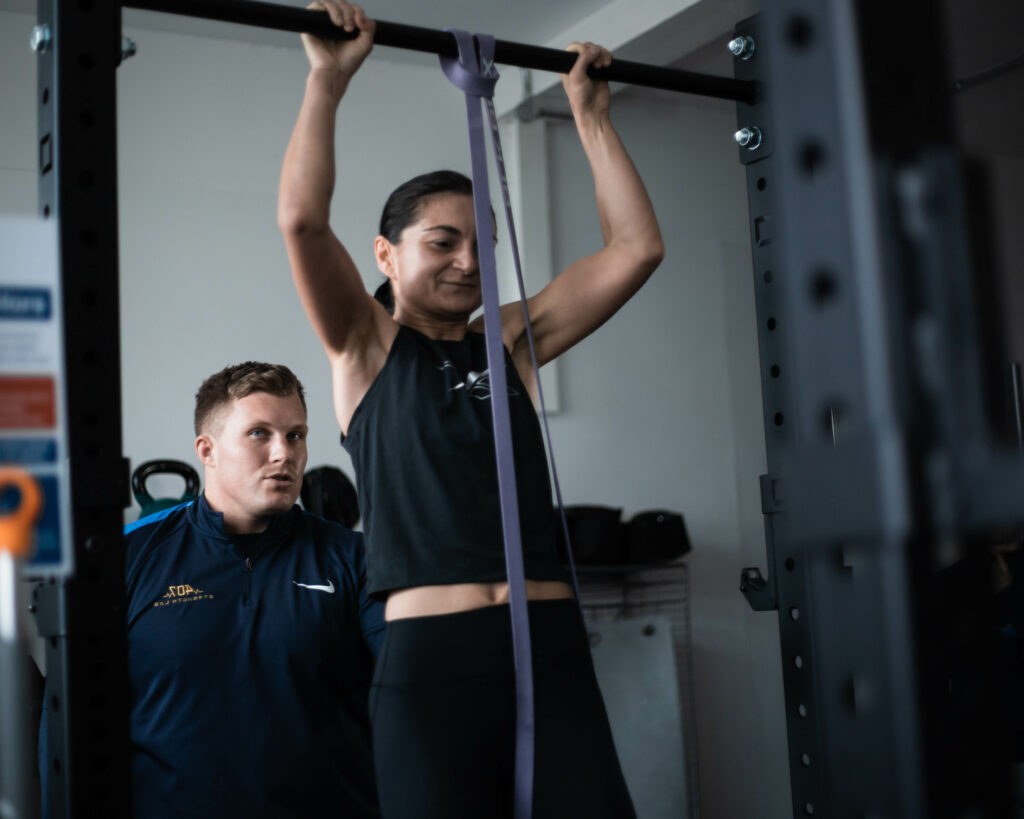
Types of Sports Injuries
Types of sports injuries vary depending on the nature of the activity and the specific movements involved. Here are common types:
- Sprains: Result from ligament overstretching or tearing, often in joints like ankles or wrists.
- Strains: Occur due to muscle or tendon stretching or tearing, commonly affecting the back, hamstring, or groin.
- Fractures: Broken bone resulting from impact or excessive force, prevalent in contact sports like football or hockey.
- Dislocations: Joint displacement due to trauma or sudden movements, frequently seen in sports with high impact or collisions.
- Tendonitis: Inflammation of tendons, such as the Achilles tendon, due to repetitive motions, prevalent in activities involving repetitive actions like running or tennis.
What is a Sprain?
A sprain is among the common sports injuries. It occurs when there is an injury to a ligament, which is the tissue that connects bones to each other. This injury typically happens due to sudden stretching or tearing of the ligament beyond its normal range of motion. Commonly affected areas include the ankle, wrist, or knee joints. A sprain can lead to pain, swelling, and limited joint movement.
Anatomy of the Injured Area
Ligaments are tough bands of fibrous tissue that provide stability to joints by connecting bones. When a sprain occurs, these ligaments may become stretched or torn, compromising the stability of the joint and causing discomfort and impaired function.
Causes of Sprains
Sprains, although often associated with sports activities, can occur in various situations beyond athletics. Understanding the causes is essential for both prevention and treatment. Here are some common causes of sprains:
1. Sudden Impact
This occurs when a joint experiences a forceful blow or collision, leading to the ligaments being stretched or torn.
For instance, in contact sports like football or basketball, collisions with opponents or hard surfaces can cause sprains, particularly in joints like the ankle or knee.
2. Overextension
Overextending a joint beyond its normal range of motion puts excessive stress on the ligaments, leading to sprains. Additionally, overuse injuries resulting from repetitive motions can weaken ligaments over time
Activities such as landing awkwardly after a jump, making sudden directional changes, or slipping on uneven surfaces can result in overextension sprains.
Common scenarios include twisting the ankle while hiking on rocky terrain or hyperextending the knee during a sudden stop in sports like soccer or skiing.
By recognizing these common causes, individuals can take proactive measures to minimize the risk of sprains, such as wearing appropriate protective gear, practicing proper techniques, and conditioning the body to withstand physical demands. Moreover, understanding the cause can guide healthcare professionals in devising tailored treatment plans to expedite recovery and prevent recurrence.
Risk Factors for Sprains
- Poor Warm-up: Inadequate warm-up before physical activity increases the risk of sprains as muscles and ligaments are not adequately prepared for stress.
- Previous Injury: Individuals with a history of sprains are more prone to recurrent injuries due to weakened ligaments.
Symptoms of Sprains
Symptoms may include:
- Pain: Intense pain at the site of injury.
- Swelling: Swelling around the affected joint.
- Instability: Feeling of joint instability or giving way.
How is a Sprain Diagnosed?
Sprains are typically diagnosed based on clinical examination, where the physician assesses the injured area for tenderness, swelling, and joint stability. In some cases, imaging tests like X-rays or MRI scans may be conducted to assess the extent of ligament damage.
Treatment for Sports Injuries like Sprains
Here’s an explanation of the treatment options for sprains:
Rest, Ice, Compression, Elevation (RICE)
- Rest: Resting the injured area is crucial to prevent further stress and allow the ligaments to heal. By avoiding activities that exacerbate the injury, individuals minimize the risk of additional damage and promote a faster recovery process. Resting the affected limb also helps reduce pain and inflammation.
- Ice: The application of ice to the injured area is an effective method to manage pain and swelling. By constricting blood vessels, ice helps reduce blood flow to the affected area, thereby decreasing inflammation and alleviating discomfort. It’s recommended to apply an ice pack for about 15-20 minutes every few hours during the initial stages of injury.
- Compression: Compression therapy involves wrapping the injured area with an elastic bandage to provide support and stability. By applying gentle pressure, compression helps reduce swelling by preventing fluid buildup in the tissues. Additionally, it minimizes movement of the injured joint, which can further aggravate the sprain.
- Elevation: Elevating the injured limb above the level of the heart is an essential component of the RICE protocol. By elevating the affected area, gravity assists in draining excess fluid and reducing swelling. Elevating the limb, especially during periods of rest or sleep, promotes faster healing and enhances overall comfort.
Physiotherapy
- Range of Motion Exercises: Physiotherapists often prescribe specific exercises aimed at restoring the normal range of motion to the injured joint. These exercises typically start with gentle movements and progress gradually as healing occurs. Range of motion exercises help prevent stiffness and improve flexibility, allowing individuals to regain functional mobility.
- Strength Training: Strength training exercises focus on strengthening the muscles surrounding the injured joint. By increasing muscle strength and stability, individuals can better support the affected area, reducing the risk of re-injury. Strength training may involve resistance exercises, bodyweight exercises, or the use of resistance bands or weights under the guidance of a physiotherapist.
- Proprioception Training: Proprioception refers to the body’s ability to sense its position in space. Proprioception training involves exercises that challenge balance, coordination, and proprioceptive awareness. These activities help improve joint stability and neuromuscular control, reducing the likelihood of future sprains. Proprioception training often incorporates balance boards, stability balls, and other proprioceptive devices.
Medications
- Pain Relievers: Over-the-counter pain medications such as ibuprofen (Advil) or acetaminophen (Tylenol) may be recommended to relieve pain associated with sprains. These medications help reduce pain intensity, making it more manageable for individuals to engage in rehabilitation exercises and daily activities.
- Anti-Inflammatory Drugs: Nonsteroidal anti-inflammatory drugs (NSAIDs) like naproxen (Aleve) or aspirin can help reduce inflammation and swelling associated with sprains. By inhibiting the production of prostaglandins, NSAIDs provide relief from pain and discomfort. However, it’s essential to use these medications as directed and under medical supervision, as they may have side effects in some individuals.
By combining these treatment modalities, individuals can effectively manage sprains and facilitate a full recovery. It’s important to follow the guidance of healthcare professionals and adhere to prescribed rehabilitation programs to optimize outcomes and minimize the risk of long-term complications.
Potential Complications of Sprains
Frequent Complications
- Chronic Instability: Persistent laxity in the affected joint predisposes individuals to recurrent sprains.
- Joint Stiffness: Inadequate rehabilitation may lead to decreased range of motion and stiffness.
Occasional Complications
- Joint Dislocation: Severe sprains may result in joint dislocation, requiring medical intervention.
Preventing Sprains
- Proper Warm-up: Engage in dynamic stretching and warm-up exercises before physical activity to prepare muscles and ligaments.
- Use of Protective Gear: Wearing appropriate footwear and protective equipment reduces the risk of injury during sports.
How to Manage a Sprain
- Follow RICE Protocol: Adhere to the rest, ice, compression, elevation protocol for immediate management.
- Consult a Physiotherapist: Seeking guidance from a physiotherapist ensures a structured rehabilitation program tailored to individual needs.
When to See a Doctor
If experiencing severe pain, inability to bear weight on the injured limb, or persistent swelling despite home remedies, it is advisable to seek medical attention promptly to rule out any significant ligament damage or fractures.
Frequently Asked Questions
Here are answers to some of the most frequently asked questions on sport injuries.
I noticed swelling around my ankle. Should I get it checked up?
Swelling can indicate a potential sprain. It’s advisable to consult a healthcare professional for proper evaluation and treatment.
What exercises help with my sprained ankle?
Gentle range of motion exercises and proprioception training under the guidance of a physiotherapist aid in ankle rehabilitation.
How often do I need to do exercises for my sprained wrist?
Frequency of exercises depends on the severity of the injury and guidance from your physiotherapist. Typically, exercises are performed daily or as advised.
How did I get a sprained knee?
A sprained knee can result from sudden twisting or overextension of the knee joint during physical activity or trauma.
Is it OK to walk with a sprained ankle?
Walking with a sprained ankle is generally permissible but should be done with caution and within pain tolerance levels. It’s advisable to use supportive footwear and consider using crutches if necessary.
How long will a sprained wrist take to heal?
The healing time for a sprained wrist varies depending on the severity of this type of injury and adherence to rehabilitation protocols. Typically, mild to moderate sprains heal within 4-6 weeks with appropriate treatment.
In conclusion, prompt and appropriate management of sprains is crucial for optimal recovery and prevention of long-term complications. By following recommended treatment modalities and engaging in rehabilitation programs, individuals can expedite their return to sports and activities they love. Remember, seeking professional medical advice is essential for accurate diagnosis and tailored treatment plans.