
Sports physiotherapy plays a crucial role in the world of sports medicine, helping athletes recover from injuries, enhance performance, and prevent future issues. As a specialized branch of physiotherapy, sports physiotherapists are dedicated to the assessment, treatment, and rehabilitation of injuries related to sports and exercise. In this article, we’ll delve into the intricacies of sports physiotherapy, exploring its role in injury management, prevention, and performance optimization.
What is Sports Physiotherapy?
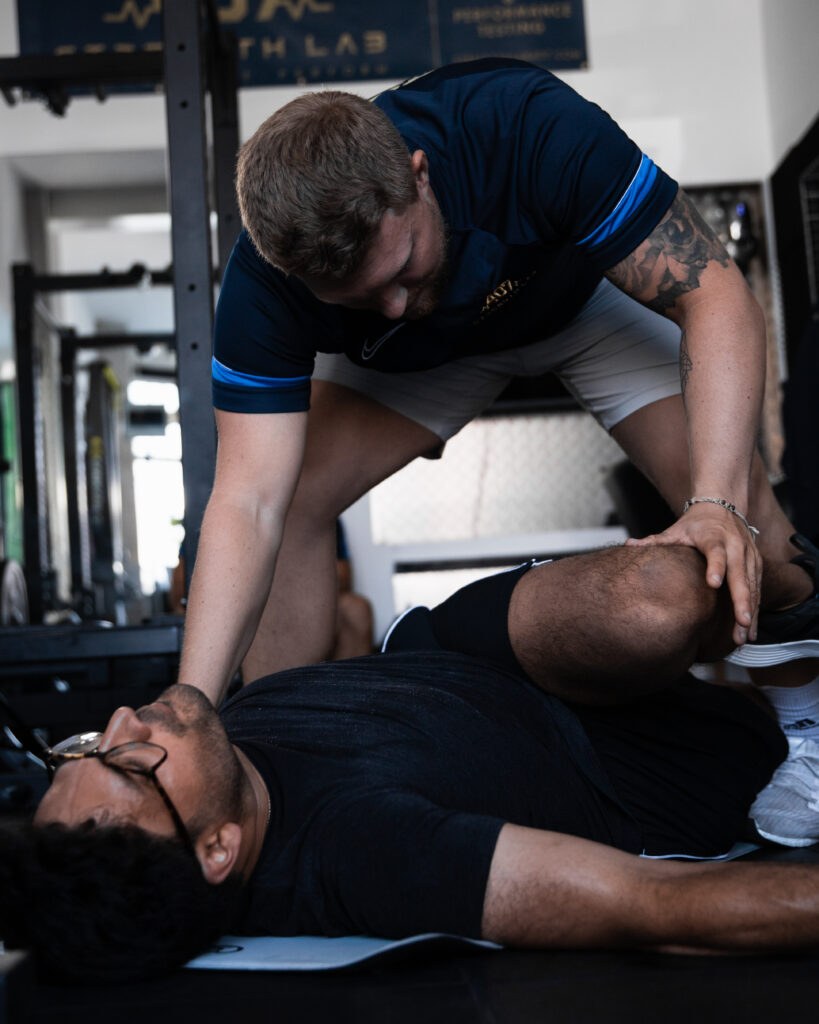
Sports physiotherapy is a specialized field within physiotherapy that focuses on the assessment, treatment, and rehabilitation of injuries related to sports and exercise. Sports physiotherapists, also known as sports therapists, specialize in understanding the biomechanics of sport and exercise, as well as the specific demands placed on the body during physical activity. They work with athletes and active individuals across a variety of settings, ranging from amateur to elite sports.
How Does Sports Physiotherapy Benefit Athletes?
Sports physiotherapy offers a range of benefits to athletes, aiding in both injury management and performance enhancement. Here’s how athletes can benefit from sports physiotherapy:
- Injury Prevention: Sports physiotherapists assess athletes for any potential biomechanical issues or muscle imbalances that may increase the risk of injury. Addressing these issues through targeted exercises and interventions, they help athletes prevent injuries and perform at their best.
- Injury Management: In the unfortunate event of an injury, sports physiotherapists play a crucial role in the rehabilitation process. They develop personalized treatment plans to facilitate healing, restore function, and safely return athletes to sport.
- Performance Optimization: Sports physiotherapists work closely with athletes to optimize their physical function and performance. Through techniques such as manual therapy, exercise prescription, and biomechanical analysis, they help athletes improve their strength, flexibility, and movement efficiency.
What Conditions Can Sports Physiotherapy Treat?
Sports physiotherapy encompasses the assessment and treatment of various musculoskeletal and sports-related injuries and conditions related to sports and exercise. Some common conditions treated by sports physiotherapists include:
- Muscle Strains: Injuries to the muscles, such as hamstring strains or quadriceps strains, are common in sports and require specialized rehabilitation to promote healing and prevent re-injury.
- Ligament Sprains: Ligament sprains, such as ankle sprains or knee ligament injuries, often occur during sports activities and require targeted rehabilitation to regain stability and function.
- Tendonitis: Tendonitis, or inflammation of the tendons, can occur in athletes due to overuse or repetitive movements. Sports physiotherapy aims to reduce inflammation, strengthen the affected tendons, and improve biomechanics to prevent recurrence.
How Does Sports Physiotherapy Work?
Sports physiotherapy typically involves a comprehensive approach to assessment, treatment, and rehabilitation. Here’s an overview of the process:
- Assessment: Sports physiotherapists conduct a thorough assessment of the athlete’s injury, including a detailed history, physical examination, and possibly diagnostic tests such as imaging studies. This helps them identify the underlying cause of the injury and develop an appropriate treatment plan.
- Treatment: Treatment modalities may vary depending on the nature and severity of the injury. Common interventions include manual therapy techniques, exercise prescription, electrotherapy modalities, and sports-specific rehabilitation exercises.
- Rehabilitation: Rehabilitation focuses on restoring optimal function and returning the athlete to sport safely. This may involve progressive exercises to improve strength, flexibility, balance, and proprioception, as well as sport-specific drills to simulate the demands of competition.
What Are the Benefits of Sports Physiotherapy?
Sports physiotherapy offers a range of benefits to athletes at all levels, including:
- Faster Recovery: By providing targeted rehabilitation and support, sports physiotherapy helps athletes recover more quickly from injuries and return to sport with confidence.
- Improved Performance: Through personalized training programs and biomechanical analysis, sports physiotherapists help athletes optimize their physical function and performance, leading to better results on the field or court.
- Injury Prevention: By addressing biomechanical issues and implementing injury prevention strategies, sports physiotherapy reduces the risk of injuries and helps athletes stay healthy and active.
Sports physiotherapy plays a vital role in helping athletes recover from injuries, enhance performance, and prevent future issues. By providing specialized assessment, treatment, and rehabilitation services, sports physiotherapists optimize athletes’ physical function and support them in achieving their goals. Whether you’re a weekend warrior or a professional athlete, sports physiotherapy can help you perform at your best and stay injury-free.
Key Takeaways
Sports physiotherapy focuses on the assessment, treatment, and rehabilitation of injuries related to sports and exercise.
Sports physiotherapists help athletes prevent injuries, manage existing conditions, and optimize their performance through personalized treatment and rehabilitation programs.
Common conditions treated by sports physiotherapy include muscle strains, ligament sprains, and tendonitis.
The sports physiotherapy process involves assessment, treatment, and rehabilitation, with a focus on restoring optimal function and returning athletes to sport safely.