
Short answer: Jumper’s knee (patellar tendinopathy) is pain in the tendon just below the kneecap, and gradually loading that tendon with the right strength work is how most people get past it. Rest alone rarely fixes it. Strength Lab LDN runs strength-based knee rehab at Battersea Park (SW11), Wimbledon Park (SW19) and online for £350, once a physio or doctor has confirmed what’s going on.
What is jumper’s knee?
The patellar tendon joins your kneecap to your shin. It works like a spring every time you jump, land, sprint or climb stairs. When it’s asked to do more than it’s ready for, it gets irritated and painful. That’s patellar tendinopathy, usually called jumper’s knee.
It’s common in basketball, volleyball, football and running, and in anyone who has ramped up jumping, plyometrics or squatting quickly. For the medical background, see our article on patellar tendinopathy symptoms and causes.
Signs it might be jumper’s knee
- Pain in a small spot just below the kneecap
- It hurts when you jump, land, squat or go down stairs
- It’s stiff or sore after sitting for a while
- It often eases once you warm up, then comes back worse afterwards or the next day
Other problems can feel similar, including runner’s knee and fat pad irritation, so get a proper diagnosis from a physio or doctor before you start a rehab plan.
When to get it checked straight away
See a GP or call NHS 111 rather than training through it if:
- you felt a pop or sudden sharp pain below the kneecap
- you can’t straighten your leg or lift it straight off the bed
- the knee is very swollen, hot or red
- you can’t put weight through it
The NHS advice on knee pain has more on when to get help. We’re S&C coaches, not physios or doctors, so we don’t diagnose. Once you know what you’re dealing with, we build the strength back.
Why rest alone doesn’t usually fix it
Resting calms the pain down, but it also lets the tendon and the muscles around it lose capacity. So when you go back to jumping or running, the pain often comes straight back.
Tendons respond to load. The approach most physios and S&C coaches use is to find a level of exercise the tendon tolerates, then build it up step by step until it can cope with your sport again. It takes patience: progress is usually measured in months rather than weeks, and it varies a lot from person to person.
How strength-based rehab for jumper’s knee works
A common rule of thumb is that some discomfort during exercise is fine if it settles by the next morning. If it’s worse the next day, the load was too much and we pull it back.
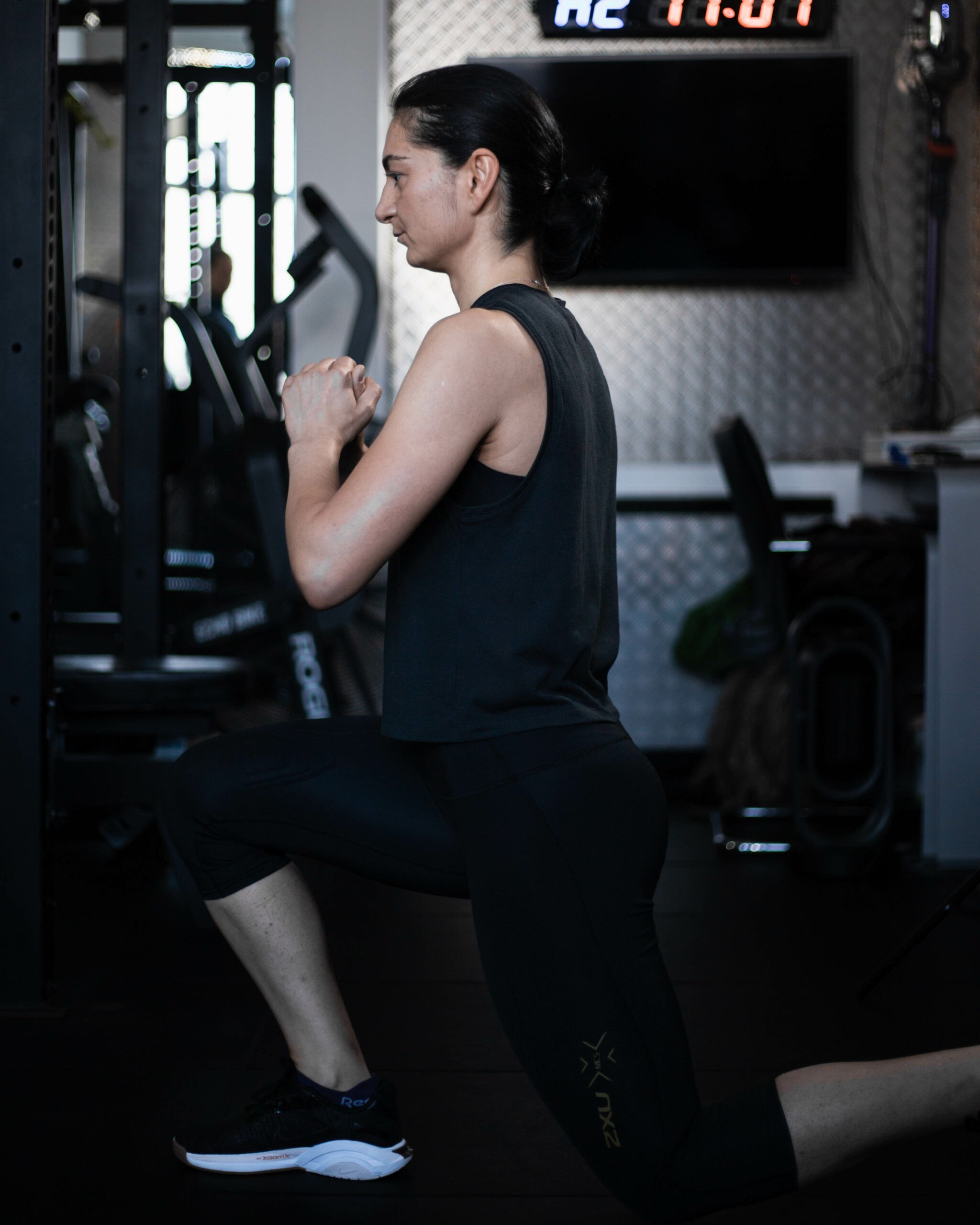
Jumper’s knee rehab with us
Patellar tendinopathy is one of the conditions our knee injury rehabilitation programme covers. It’s £350 for an S&C assessment, a one-month programme built for you and a final review, in the studio, online or a mix of both.
After the month, some people carry on with 1-to-1 personal training or hybrid training to get fully back to sport. Not sure whether you need a physio or a coach right now? Read physio or strength coach for knee pain?
Battersea Park (SW11)
189 Battersea Park Rd, SW11 4LB. 3 minutes from Queenstown Road, 4 from Battersea Park station.
Wimbledon Park (SW19)
407 Durnsford Rd, SW19 8EE. 10 minutes from Wimbledon Park tube and Earlsfield station.
More knee guides: knee injury rehabilitation in London, knee instability rehab and strength training for runners.
FAQs
What is the best treatment for jumper’s knee?
For most people, a gradual strength programme that loads the patellar tendon and builds up to jumping again is the main treatment. Get it diagnosed by a physio or doctor first, as other knee problems can feel similar.
How long does patellar tendinopathy take to heal?
It varies a lot, but it’s usually a matter of months rather than weeks, especially if it has been sore for a long time. Steady, well-planned loading tends to work better than resting and hoping.
Should I stop exercising with jumper’s knee?
Not completely. Cut back on whatever flares it, such as jumping, but keep training the rest of your body and do tendon-friendly strength work. If you felt a pop or can’t straighten your leg, stop and see a GP or call NHS 111.
Where can I get jumper’s knee rehab in London?
Strength Lab LDN runs strength-based knee rehab at 189 Battersea Park Rd, SW11 4LB, 407 Durnsford Rd, SW19 8EE, and online. It’s led by S&C coaches, working alongside your physio, and current prices are on our pricing page.
Book your assessment
Tell us about your knee and we’ll take it from there. Three ways to get in touch:
- Phone: 020 3890 6441
- Email: info@strengthlabldn.com
- Online: contact form